Month: April 2021

  • Pakistan Refinery announces contraction in accumulative loss at Rs17.74 billion

    Pakistan Refinery announces contraction in accumulative loss at Rs17.74 billion

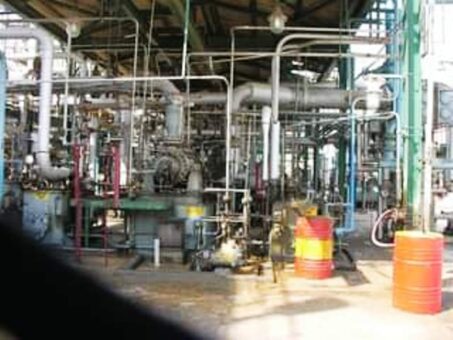
    KARACHI: Pakistan Refinery Limited (PRL) on Tuesday announced financial results for quarter ended March 31, 2021. The accumulated losses of the company contracted at Rs17.74 billion by March 31, 2021 as compared with loss of Rs18.36 billion by June 30, 2020.

    In addition, current liabilities of the company exceeded its current assets by Rs14.49 billion as March 31, 2021 as against Rs16.84 billion by June 30, 2020.

    The company ended the period with negative cash and cash equivalents amounting to Rs5.65 billion as against Rs10.19 billion on June 30, 2020.

    The company said: “These conditions may cast significant doubt on the company’s liability to continue as a going concern and the company may be unable to realize its assets and discharge its liabilities in the normal course of business.”

    The refinery further said that right issue of one ordinary share of every one share held amounting to Rs3.15 billion, announced in February 2020 to address negative equity and liquidity issues was completed during the period thereby increasing the share capital to Rs6.3 billion.

    “Further, by changing crude recipe and operational philosophy during the current financial year, company was able to produce IMO-2020 grade Marine Residual Fuel (MRF), a premium product and Euro-II High Speed Diesel for a certain period that enabled the company to earn additional revenues,” it said.

    However, sustainable production of above high premium products is tied with long term crude arrangements, it added.

    The company’s ability to produce Petrol (MS) 92, 95 and RON has resulted in saving of RON differential price adjustment on MS and also generated additional revenues to the company during the period.

    “All these efforts helped the company in earning profit after taxation of Rs621 million for nine-month period ended March 31, 2021 as compared with loss after tax of Rs6.77 billion in the same period of the last year.”

    The company said: “Based on the cumulative impact of factors mentioned above, the company believes that it will continue as a going concern and will be able to realize its assets and discharge its liabilities in the normal course of business.”

  • Bank holiday announced

    Bank holiday announced

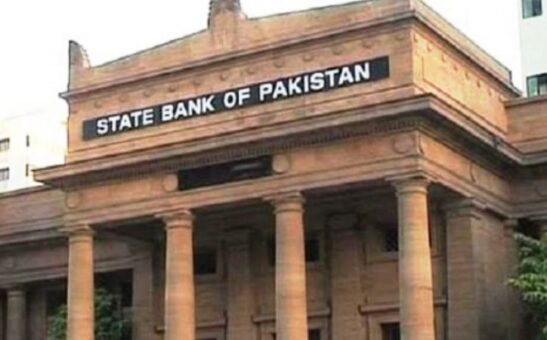
    KARACHI: The State Bank of Pakistan (SBP) has officially announced that it, along with all commercial and microfinance banks, will observe a bank holiday on May 1, 2021, in observance of Labor Day.

    (more…)
  • FBR releases Rs8.92bn against duty drawback claims

    FBR releases Rs8.92bn against duty drawback claims

    ISLAMABAD: Federal Board of Revenue (FBR) has issued an amount of Rs8.92 billion against duty drawback claims during last four months, according to a statement issued on Tuesday.

    The FBR said that following the vision of Prime Minister, Pakistan Customs wing has resolved the long-standing demand of exporters by paying Rs. 8.92 billion duty drawback claims during January- April 2021.

    A total of Rs. 12.367 billion under fully automated rebate system has been sanctioned to exporters.

    This will go a long way in addressing the liquidity issue of the local industry and shall result in boosting export led economy, the FBR said.

    Pakistan Customs said that fully automated rebate system is in addition to DLTL payments by Ministry of Commerce.

  • Stock market ends down by 390 points on selling in major scrips

    Stock market ends down by 390 points on selling in major scrips

    KARACHI: The stock market fell by 390 points on Tuesday as selling seen in major scripts during the day. The benchmark KSE-100 index of Pakistan Stock Exchange (PSX) closed at 45,293 points as against previous day’s closing of 45,683 points, showing a decline of 390 points.

    Analysts at Arif Habib Limited said that excitement observed yesterday withered away when the benchmark index saw a decline of 513 points during the session.

    The scrips that saw selling today included OGDC, PPL, PSO which performed well the other day. Investor sentiment remained at a low ebb throughout the session with persistent selling in O&GMCs, E&P, Cement and Steel sectors. Among Tech stocks,

    TRG closed below LDCP whereas NETSOL hit upper circuit. Volume leaders include TELE with 48.1 million shares, followed by UNITY (43.4 million) and FLYNGR (26.5 million).

    Sectors contributing to the performance include E&P (-182 points), Fertilizer (-58 points), O&GMCs (-50 points), Cement (-45 points) and Power (-34 points).

    Volumes declined from 409 million shares to 366.8 million shares (-10 percent DoD). Average traded value also declined by 28 percent to reach US$ 112.1 million as against US$ 155.1 million.

    Stocks that contributed significantly to the volumes include TELE, UNITY, FLYNGR, TRG and ANL, which formed 41 percent of total volumes.

    Stocks that contributed positively to the index include NRL (+14 points), DAWH (+14 points), HBL (+12 points), AICL (+11 points) and ICI (+11 points). Stocks that contributed negatively include OGDC (-71 points), PPL (-59 points), ENGRO (-46 points), POL (-44 points) and PSO (-40 points).

  • Financing to housing sector increases to Rs202 billion: SBP

    Financing to housing sector increases to Rs202 billion: SBP

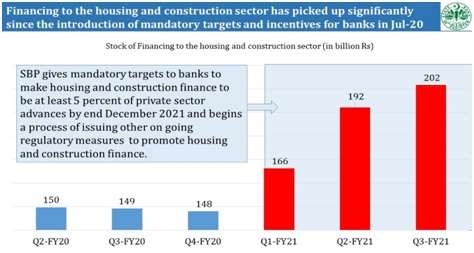
    KARACHI: Recent measures taken by the State Bank of Pakistan (SBP) the financing for housing and construction sector increased significantly to Rs202 billion in March 2021.

    The SBP in a statement said that housing and construction finance has been progressing significantly and a momentum in housing and construction finance is building up. The banks’ housing and construction finance portfolio has increased from Rs148 billion by the end of June 2020 to Rs202 billion in March 2021 (chart).

    This represents a growth of Rs54 billion or 36 percent in three quarters of FY21 compared to a stagnant position in earlier quarters. Such growth in housing and construction finance in such a period has never been witnessed in Pakistan’s history previously.

    Overall financing to the housing and construction sector by banks is likely to increase further significantly as mortgage finance activity under Mera Pakistan Mera Ghar Scheme is picking up pace. As of April 20, 2021banks have received applications for financing of more than Rs52 billion from the general public under this scheme. Of these, the banks have approved financing of more than Rs15 billion to the applicants while the remaining applications are at different stages of the evaluation and approval process. 

    The SBP said that keeping in view the need to improve housing in the country and the important role of construction sector in boosting economic activities in the countries, the Government of Pakistan envisions to increase the number of housing units manifold in coming years and has taken several measures in this regard. A key element to ensure sustainable increase in the construction of building activities is the provision of financing both to the supply and demand side players of the housing and construction sector. 

    Financing to the housing and construction sector in Pakistan has almost always remained quite negligible in the credit portfolios of banks when compared with other developed and developing countries for various reasons. To support the vision of the Government of Pakistan, the State Bank of Pakistan has taken several measures since July 2020 to support the provision of financing for the housing and construction sector by way of giving incentives and targets to the banks. A key regulatory measure in this direction was assigning mandatory targets to banks to increase financing for mortgages to builders and developers. Banks are required to increase their housing and construction finance portfolios to at least 5 percent of their private sector advances by end December 2021.

    In October 2020, the Government of Pakistan augmented these efforts by introducing the Government Markup Subsidy Scheme, now commonly known as Mera Pakistan Mera Ghar Housing Finance Scheme. This scheme enables banks to provide financing for the construction and purchase of houses at very low markup rates, targeting low to middle income segments of the population.

    The State Bank of Pakistan has been actively engaged with banks to ensure that a vast majority of masses could benefit from the Mera Pakistan Mera Pakistan Housing Finance Scheme.  For this purpose, SBP with the help of Pakistan Banks’ Association (PBA) and banks is ensuring that process of applying for housing finance is easy for the masses and in case they face any difficulty or have complaints, help is provided to them promptly and complaints are resolved in a timely manner.

    To begin with, commercial Banks have designated 50% of their branches, around 7,700, across the country for accepting applications under Mera Pakistan Mera Ghar Housing Finance Scheme. In addition, all the remaining branches will also provide basic information about the scheme and refer applicants to the designated branches. Banks are regularly advertising the features of the scheme to attract and encourage potential customers.

    In order to address complaints, the State Bank has established a comprehensive complaint resolution mechanism which comprises of an internet portal supported by a network of State Bank and commercial bank staff. The IT portal is live for registration of complaints by applicants who face any difficulty in obtaining loans. State Bank has also established help desks in its 16 offices across the country to facilitate applicants in registration of their complaints through the IT portal. These help desks address access challenges of applicants, especially from low-income strata, arising out of potential language and technology barriers.

    The Pakistan Banks’ Association (PBA) has also been playing a very active role in the promotion of Mera Ghar Mera Pakistan Housing Finance Scheme. It is very close to establishing a single call center to address applicant’s questions and to guide them towards their nearest branches to submit application for home loans.

    A significant number of Pakistanis who currently do not own a house and are eligible for financing under the Mera Pakistan Mera Ghar Scheme face difficulties in providing documentary evidence of regular sources of income to prove their ability to repay. To address this issue, the State Bank is coordinating with banks to develop a mechanism whereby income proxies, based on demonstrated expenses like rent payments or utility bills, could be used for credit evaluation and income assessment.

    PBA is engaged with internationally renowned experts to develop scoring models in this regard in the coming months. The State Bank is facilitating banks to get data from mobile phone companies, utility providers and other government agencies to run these credit scoring models. Banks have already developed initial judgmental income proxy model to accommodate applicants with informal incomes till the time expert’s developed scoring models are implemented.
  • Philip Morris announces 100pc increase in after tax quarterly profit

    Philip Morris announces 100pc increase in after tax quarterly profit

    KARACHI: Philip Morris (Pakistan) Limited, makers of cigarettes in the country, has announced around 100 percent increase in net profit for the quarter ended March 31, 2021.

    According to financial results submitted to Pakistan Stock Exchange (PSX) on Tuesday, the profit after tax for the quarter ended March 31, 2021 increased to Rs718 million as compared with Rs361 million in the corresponding period of the last year.

    During the period ended March 31, 2021, the company’s domestic net turnover stood at Rs4.44 billion reflecting increase by 6 percent versus same period last year.

    Increase in Distribution & Marketing expenses showed commitment by the Company to continuously allocate the resources for Commercial initiatives which can earn the best returns. Further, we continue to find efficiencies in Administrative Expenses to ensure the increase remains under inflation.

    During the same period ended March 31, 2021, the company’s contribution to the National Exchequer, in the form of excise duty, sales tax and other government levies, stood at Rs7,089 million (higher by 23.3 percent compared to the same period last year) reflecting 61.1 percent of first quarter of 2021 Gross Turnover.

    Giving industry background, the company said that the lack of a level playing field is one of the key challenges for the legally compliant tax paying cigarette industry.

    In 2013, the share of non-tax paid illicit sector was 23 percent but due to sheer lack of enforcement, it has now captured almost 40 percent of the market.

    Significant and excessive excise increases over the past few years have widened the price gap between legal and non-tax-paid illicit cigarettes thus facilitating downtrading and contributing to the exponential growth of the illicit cigarette sector.

    Excessive excise duty increases of 93 percent on Value Tier brands (i.e. from Rs17/pack in April 2018 to Rs33/pack in June 2019) during Federal Budgets of September 2018 and June 2019 have stretched the price gap and non-tax paid illicit brands continue selling at below minimum price prescribed under tax laws i.e. Rs63/pack.

    Further countless tax-evading brands of cigarettes across the country are being sold as low as Rs25/pack (avg. illicit price is Rs38/pack). For reference: Total Tax/pack (Excise & Sales Tax) on value brands is Rs44/pack.

    The company said that it had support the introduction of Track and Trace system as it will be an effective tool to supplement enforcement efforts against tax evasion.

    However, since 2019, the Federal Board of Revenue (FBR) has made multiple attempts to implement the system but, till date no major progress has been made on this front.

  • Rupee falls against dollar for seventh straight day

    Rupee falls against dollar for seventh straight day

    KARACHI: The Pak Rupee fell against the dollar for seventh straight day on Tuesday as demand for import and corporate payment remained high.

    The rupee fell by 37 paisas on Tuesday to close at Rs154.50 against the dollar from previous day’s closing of Rs154.13 in the interbank foreign exchange market.

    The rupee has started falling against the dollar from mid of the current month. So far the rupee has been weakened by Rs1.68 against the dollar during last seven trading days or since April 15, 2021.

    The currency experts said that high import payment to meet local demand had jacked up the rupee value.

  • Number of active taxpayers for Tax Year 2020 increases to 2.6 million

    Number of active taxpayers for Tax Year 2020 increases to 2.6 million

    ISLAMABAD: The number of active taxpayers has been increased to 2.6 million by April 25, 2021 for tax year 2020, according to latest data released by Federal Board of Revenue (FBR) on Monday.

    The weekly Active Taxpayers List (ATL) for tax year 2020 updated those taxpayers’ names, who filed their income tax returns up to last date or the date was extended by commissioner Inland Revenue or those taxpayers’ names who filed their income tax returns after the deadline but paid surcharge for appearance on the ATL.

    The FBR officials said that around 0.43 million taxpayers had enrolled their names in the ATL 2020 by filing returns and paying surcharge after the issuance of first ATL 2020 on March 01, 2021.

    The FBR has changed the mechanism for availing reduced rate of withholding tax on various transactions. Previously, the filers were entitled to avail exemptions or reduced rate of withholding tax rates on various types of transactions. But not a person has to file annual return by due date given by the FBR. In case a person fails to file annual return by due date but files after the due date, he will be not entitled to get his name in the ATL. However, it will only be possible after paying of surcharge to appear on the ATL.

  • Equity market gains 976 points on fund injection expectation

    Equity market gains 976 points on fund injection expectation

    KARACHI: The equity market rebounded with an increase of 976 points on Monday on the anticipation of new fund injection by mutual funds.

    The benchmark KSE-100 index of Pakistan Stock Exchange (PSX) closed at 45,683 points as against last Friday’s close of 44,707 points, showing an increase of 976 points.

    Analysts at Arif Habib Limited said that the market made a rebound today with the anticipation of new fund injection by mutual funds, despite the persistent selling witnessed in the past couple of sessions at the behest of rising cases of Corona.

    Financial results announced earlier today failed to excite the market, when the index tumbled 317 points earlier in the session.

    Aggressive buying was observed in OGDC, PPL and PSO, all of which hit upper circuits during the session although OGDC and PSO closed below the upper circuit. Similarly, buying was observed in HBL and UBL, which helped the index post 1246 points after sustaining loss of 317 points.

    Session ended +976 points (unadjusted). Among scrips, TELE topped the volumes with 55 million shares, followed by TRG (53.5 million) and UNITY (26.4 million).

    Sectors contributing to the performance include E&P (+239 points), Banks (+177 points), Cement (+99 points), Fertilizer (+87 points) and Pharma (+81 points).

    Volumes increased from 240.4 million shares to 409 million shares (+70 percent DoD). Average traded value also increased by 103 percent to reach US$ 155.5 million as against US$ 76.6 million.

    Stocks that contributed significantly to the volumes include TELE, TRG, UNITY, SILK and GGL, which formed 41 percent of total volumes.

    Stocks that contributed positively to the index include OGDC (+102 points), PPL (+96 points), HUBC (+78 points), TRG (+60 points) and LUCK (+58 points). Stocks that contributed negatively include PSMC (-9 points), INIL (-8 points), AICL (-6 points), LOTCHEM (-5 points) and KEL (-5 points).

  • ACCA, IMA global economic conditions survey released

    ACCA, IMA global economic conditions survey released

    KARACHI: The global economy is bouncing back in terms of confidence, orders, employment and spending, according to the latest ACCA and IMA Global Economic Conditions Survey (GECS).

    The survey of senior accountants and finance professional across the world recorded the biggest jump in economic confidence this quarter in the 12 years it has been running. The balance of those more optimistic minus those less optimistic increased by 26 points in this survey.

    The GECS is consistent with the view that the global economy stands a good chance of reaching its pre-pandemic level of activity later this year.

    The results for South Asia – including Pakistan – point to much improved levels of confidence, reflecting better domestic and global demand prospects. As a result, confidence rose sharply in South Asia with only North America recording a bigger increase. But latest spike in Covid-19 cases in India and Pakistan has further muddled the economic outlook for economies in the region.

    When asked about the prospect of higher inflation, there is a marked contrast between the relatively high expectations of respondents in South Asia, Africa and North America and rather lower expectations in Western Europe.

    Across South Asia, activity indicators in the region improved but by less than the global average. There remains a legacy of tens of millions of people in the region who have fallen into poverty as a result of the COVID-19 crisis.

    Sajjeed Aslam, head of ACCA Pakistan, comments: ‘Different levels of economic prospects in the largely optimistic global picture are attributed to three factors that heavily influence the economy – the rate of vaccinations, the amount of government fiscal stimulus and savings banked by individuals during restrictions and lockdowns.’

    Michael Taylor, chief economist at ACCA, said of the global picture: ‘This survey paints a much brighter picture with confidence jumping by the most in the history of the survey. The approval and deployment of several effective vaccines has dramatically improved the prospects of an end to the Covid crisis. A very large US fiscal stimulus has also boosted global economic prospects this year.’

    ‘The global orders index also increased in the Q1 survey and is consistent with further recovery in the global economy into the second half of 2021. We now expect global economic activity to return to its pre-Covid level from Q4 2019, later this year.’

    The survey also reported some more mixed results. The ‘fear’ indices, which track concern about customers and suppliers going out of business, are still above long-term averages, reflecting continued uncertainty.

    And near-term cost concerns increased, to a balance of 33 in Q1 from 24 in the previous survey, reflecting higher commodity prices and other costs, as the global economy recovers. But cost concerns are still below their long-run average.

    The prospect of a strong economic rebound has also raised questions about the possibility of sustained increases in inflation, with two-thirds of global respondents saying they expect it to rise within five years.

    However, the report concludes that the effect of the recessions of 2020 will keep a lid on inflation for the next year in most countries, with an expected steady rise in the next three to five years. In the USA, predicted strong economic growth this year, could lead to inflation much quicker.