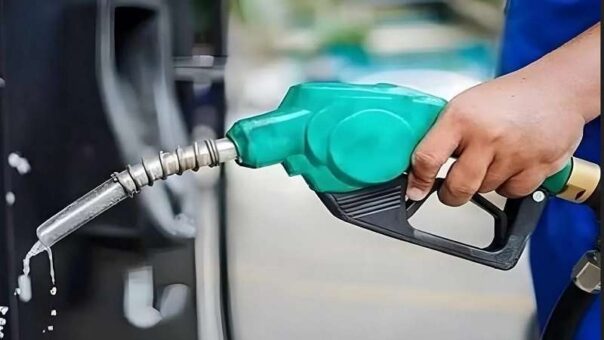
Islamabad, February 9, 2026 – The federal government has collected over Rs25 billion as carbon levy during the first half (July–December) of the ongoing fiscal year 2025-26, reflecting the initial financial impact of the newly introduced environmental taxation measures, according to official statistics released by the Ministry of Finance.
The data revealed that the government generated Rs25.46 billion from the carbon levy during the first six months of the current fiscal year. The levy was introduced under the Finance Act, 2025 with the primary objectives of reducing carbon emissions, discouraging excessive fossil fuel consumption, and promoting the adoption of alternative and cleaner energy sources across the country.
Interestingly, while the measure was initially proposed as a “carbon levy” in the Finance Bill, 2025, it was officially renamed “Climate Support Levy” through the Finance Act, 2025. Despite the change in terminology, the scope and structure of the levy remain largely the same, targeting major petroleum products to curb environmental pollution and generate funds for climate-related initiatives.
According to official documents, the climate support levy is currently imposed at the rate of Rs2.50 per liter on motor spirit (petrol) and high-speed diesel (HSD) for the fiscal year 2025-26. The levy is scheduled to be enhanced to Rs5 per liter in FY27, effectively doubling the rate as part of the government’s phased approach toward environmental taxation.
Similarly, the levy on furnace oil has been fixed at Rs2.50 per liter, equivalent to Rs2,665 per metric ton, for FY26, which will also be increased to Rs5 per liter in FY27, in addition to the prevailing petroleum levy notified by the federal government from time to time.
Policy analysts believe that the gradual increase in the climate support levy will not only help reduce Pakistan’s carbon footprint but also generate sustainable fiscal resources to finance climate resilience and clean energy projects. However, they caution that rising fuel costs could have inflationary implications, particularly for transport and energy-intensive sectors, underscoring the need for targeted relief measures.