The Directorate of Customs Intelligence and Investigation (I&I), Hyderabad, is set to conduct an auction of confiscated imported vehicles on December 21, 2021.
(more…)Category: Automotive
PkRevenue provides stories related to automotive industry. We focus on auto policy of Pakistan. The coverage also includes sales of domestic manufacturing.
-
Tarin assures car importers of maximum support
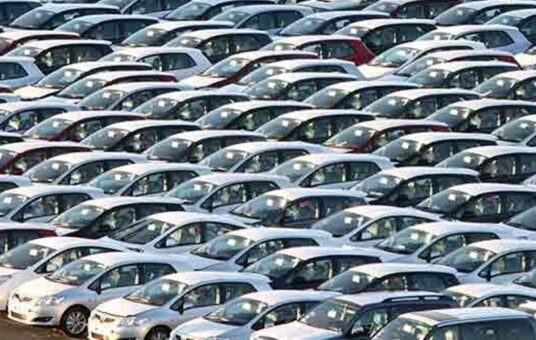
ISLAMABAD: Shaukat Tarin, Adviser to the Prime Minister on Finance and Revenue, assured an association of car dealers and importers of maximum support in resolving their issues during a meeting held on Friday.
(more…) -
Chery to launch Tiggo SUVs in Pakistan
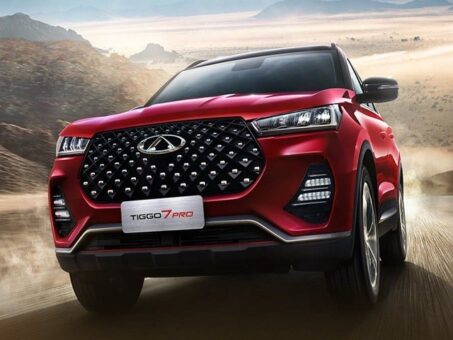
KARACHI: Chery Automobile Co., Ltd., the number one automobile export company of China has partnered with Ghandhara, a leading name in manufacturing and distribution of vehicles for local production of the latest generation Tiggo Series SUVs.
(more…) -
Pakistan’s car sales fall 11% on rising financing cost
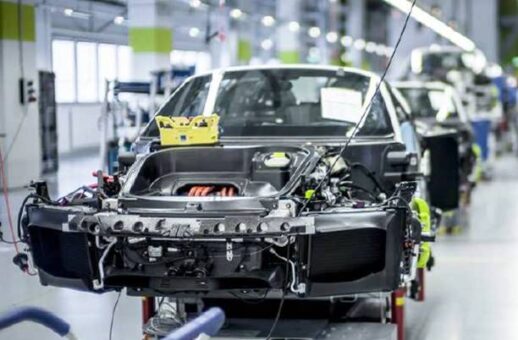
KARACHI: Pakistan’s car sales have declined 11 per cent Month on Month (MoM) to 18,714 units in November 2021, according to data released by Pakistan Automotive Manufacturers Association (PAMA).
The fall in car sales has been attributed to rising financing cost after monetary policy tightening by the State Bank of Pakistan (SBP). The SBP on November 19, 2021 increased the policy rate by 150 basis points to 8.75 per cent.
However, the total number of car sales including Non-PAMA members was at about 23,900 units, down five per cent, according to analysts at Topline Securities.
The analysts said that this is the second consecutive month where sales have witnessed a MoM decline.
They are now down by 25 per cent from their peak sales in July 2021.
They attribute this to rising financing rates, stringent financing requirements by SBP and year end phenomenon where car sales generally slow down.
On Year on Year (YoY) basis, car sales grew by 29 per cent YoY in November 2021 on the back of low base effect. In July – November of the current fiscal year, car sales are up 65 per cent YoY to 108,625 units.
Honda Car (HCAR) reported a 13 per cent MoM increase, mainly due to low base where the company sold only 7 units of BRV last month. Hyundai Nishat and Pak Suzuki Motors (PSMC) reported sales decline of 30 per cent and 17 per cent, respectively.
Along with the above mentioned factors, increasing competition from new players including KIA Motors, MG Motors and Changan are impacting the market share of listed auto assemblers.
Pakistan bike sales were down 7 per cent MoM to 166,630 units in Nov 2021. Atlas Honda (ATLH) sales were up 3 per cent MoM and 19 per cent YoY.
Pakistan tractor sales were down 14 per cent MoM while Trucks/Buses sales were up 10 per cent MoM.
-

Pakistan Customs auctions imported vehicles on Dec 14
KARACHI: Pakistan Customs has announced an auction of a huge lot of fresh and old imported motor vehicles on December 14, 2021 at Airport Road Quetta.
The customs authorities will present following vehicles for the auction:
01. Honda Civic, Chassis No. FD3-1102984, Engine No. not traceable (N.T), Model 2006
02. Toyota Premio Car, Chassis No. NZT240-0092059, Engine No. N.T, Model 2006
03. Toyota Passo Car, Chassis No. KGC10-0032340, Engine No. N.T, Model 2004
READ MORE: Direct submission of documents at WeBOC allowed
04. Suzuki Alto Car, Chassis No. HA23S-682004, Engine No. N.T, Model 2002
05. Suzuki kei, Chassis No. HN22S-883169, Engine No. K6A, Model 2008
06. Toyota Pickup, Chassis No. YN57-0033880, Engine No. 4Y0014049, Model 1985
07. Toyota Pickup, Chassis No. LN560-111926, Engine No. N.T, Model 1987
08. Hino Truck, Chassis No. JHDGHI-JRPXXX10925, Engine No. N.T, Model 1999
09. Hino Truck, Chassis No. JHDGH1JRPXXX10516, Engine No. N.T, Model 1999
10. Toyota Premio Car, Chassis No. ZZT240-013871, Engine No. 1ZZFE, Model 2007
11. Toyota Premio Car, Chassis No. ZRT260-3026626, Engine No. 2ZR-FE, Model 2007
12. Toyota Pickup, Chassis No. YN850040587, Engine No. N.T, Model 1992
READ MORE: Pakistan Single Window to reduce time, cost, complexity
13, Toyota Pick Up, Chassis No. JT731RN8509008497, Engine No. N.T, Chassis No. 1990
14. Toyota Land Cruiser Prado, Chassis No. GRJ151-0003353, Engine No. 1GRFE, Model 2013
15. Zamyad, Chassis No. 496696, Engine No. N.T, Model 1988
16. Toyota Crown Car, Chassis No. AWS210-6022583, Engine No. 2AR-FSE, Model 2013
17. Toyota Corolla GLI Car, Chassis No. JTDBT40EX09058387, Engine No. 1NZFE, Model 2007
18. Toyota Hiace Van, Chassis No. TRH112-5000925 (as per labreport), Engine No. ITR-FE, Model 2003
19. Mazda Truck, Chassis No. FD3HLA-25695, Engine No. HO7DA116215, Model 1991
20. Hino Truck, Chassis No. FD3WJA-10572, Engine No. N.T, Model 1992
21. Toyota Vitz Car, Chassis No. SCP13-0045049, Engine No. 2SZFE, Model 2004
READ MORE: Pakistan, China sign protocol for onion quarantine
22. Toyota Premio Car, Chassis No. ZZT240-0093212, Engine No. 1ZZFE, Model 2004
23. Toyota Premio Car, Chassis No. ZZT240-0020016, Engine No. 1ZZFE , Model 2002
24. Toyota Premio Car, Chassis No. ZZT240-0128367, Engine No. 1ZZFE, Model 2006
25. Toyota Coster, Chassis No. JTGFH538604000226, Engine No. 15BFT, Model 2001
26. Toyota corolla X car, Chassis No. NZE121-0401345, Engine No. 1NZ-FE, Model 2006
27. Honda Civic Car, Chassis No. JHMFD46206S200351, Engine No. N.T, Model 2006
28. Toyota Corolla X Car, Chassis No. NZE121-3116311, Engine No. N.T, Model 2002
29. Toyota Mark X Car, Chassis No. GRX1211002280, Engine No. 3GRFSE, Model 2004
30. Toyota Corolla X Car, Chassis No. NZE121-3323210, Engine No. 1NZFE, Model 2005
31. Toyota Vitz Car, Chassis No. NCP91-0003341, Engine No. 1NZFE, Model 2006
32. Toyota Premio Car, Chassis No. ZZT240-0125346, Engine No. 1ZZ-FE, Model 2006
33. Mira Dahitsu Car, Chassis No. JDAL2015000031905, Engine No. N.T, Model 1994
READ MORE: FBR sacks director customs audit on NAB conviction
34. Toyota Corolla Car, Chassis No. EE90-0036489, Engine No. 2343412, Model 1991
35. Toyota Premio Car, Chassis No. ZRT260-3025047, Engine No. N.T, Model 2017
36. Carina Car (accidental & in poor condition), Chassis No. CT170-2038468, Engine No. 1946537, Model 1991
37. Toyota Hiace Van (accidental & in poor condition), Chassis No. LH61G-0008339, Engine No. 2L-1668916, Model 1982
38. Toyota Hiace Van (accidental & in poor condition), Chassis No. LH71B-0001253, Engine No. 2L-1043920, Model 1982
39. Toyota Corolla Car (accidental & in poor condition), Chassis No. AE100-3209410, Engine No. N.T, Model 1993
40. Toyota Hiace Van, Chassis No. JT721LHB3001 71861, Engine No. N.T, Model N.T
41. Toyota Surf, Chassis No. TRN215-0002810, Engine No. N.T, Model 2004
42, Toyota Vitz Car, Chassis No. SCP90-2067451, Engine No. 2SZFE, Model 2008
43. Toyota Corolla Altis Car, Chassis No. ZZE121-9012994, Engine No. 3ZZFE, Model 2005
44. Toyota Corolla Car, Chassis No. KE55-766143, Engine No. N.T, Model N.T
45. Suzuki Swift, Chassis No. JSAEZC-21S0010314, Engine No. N.T, Model 2004
46. Toyota Crown (Hybird), Chassis No. AWS210-6015001, Engine No. 2AR-FSE, Model 2013
47. Toyota Land Cruiser Prado, Chassis No. VZJ195-0060970, Engine No. 5VZ-FE, Model 1999
48. Daihatsu Mira Car, Chassis No. L250S-1089686, Engine No. N.T, Model 2005
49. Toyota Crown Majesta, Chassis No. UZS186-0011118, Engine No. 3UZ-FE, Model 2004
50. Toyota Premio Car, Chassis No. ZZT240-0061554, Engine No. N.T, Model 2003
51. Toyota Land Cruiser, Chassis No. UZJ100-0117691, Engine No. 2UZFE, Model 2000
52. Toyota Sprinter Car, Chassis No. CE96-0092582, Engine No. 1C, Model 1990
53. Toyota Premio Car, Chassis No. ZZT240-0012752, Engine No. 1ZZFE, Model 2002
54. Toyota Land Cruiser, Chassis No. FJ45-240316, Engine No. N.T, Model N.T
55. Toyota Mark-X Car, Chassis No. GRX121-1005643, Engine No. 3GRFSE, Model 2005
56. Toyota Mark-X Car, Chassis No. GRX120-0025640, Engine No. N.T, Model 2005
57. Toyota Fielder Car, Chassis No. ZZE122-0014947, Engine No. N.T, Model 2000
58. Toyota Land Cruiser, Chassis No. JT111TJ3207404810, Engine No. N.T, Model 1996
59. Toyota Mark X Car, Chassis No. GRX120-0034825, Engine No. N.T, Model 2005
60. Hino Trailer, Chassis No. FS3FKA-11822, Engine No. F20CE-17920, Model 1996
61. Range Rover, Chassis No. SALLPAMJ3VA372646, Engine No. N.T, Model 1998
62. Land Cruiser (Cygnus Bullet Proof), Chassis No. JTGCB09JX65002405, Engine No. N.T, Model 2006
63. Toyota Land Cruiser Prado, Chassis No. VZJ121-0011459, Engine No. 5VZ-FE, Model 2005
64. Nissan Jeep, Chassis No. JLR50-004992, Engine No. N.T, Model 1998
65. Toyota Indus Corolla Car, Chassis No. CE104-0012730, Engine No. 3885934, Model 1994
66. Mazda Truck, Chassis No. FD3HLA-16656, Engine No. N.T, Model N.T
67. Toyota Mark-X Car, Chassis No. GRX120-0077315, Engine No. N.T, Model 2006
68. Toyota Vitz Car, Chassis No. SCP13-0037555, Engine No. 2SZFE, Model 2004
-
Restrictions to up motor vehicle cost, reduce demand
KARACHI: The planned restrictions on automotive industry likely to increase the cost of motor vehicles and simultaneously to reduce the demand.
According to analysts of Topline Securities on Auto Sector, the government is planning to introduce measures to control rising import bill of the country by imposition of increased duties on luxury items including cars. The proposals according to news reports include increase in duties on import of Completely Built Unit (CBUs) and higher Federal Excise Duty (FED) on locally manufactured vehicles.
READ MORE: Pakistan’s car sales declines by 6% in October
The proposed measures under consideration include: 1) increase in regulatory duty (RD) on electric vehicles with 50 KWH battery pack from 10 per cent to 50 per cent, 2) increase in custom duty to 50 per cent from 15 per cent on Hybrid Vehicles on 1501-1800cc cars, 3) increase in FED from 5 per cent to 10 per cent on locally manufactured cars with engine capacity of 1500cc+.
The government has shelved the plan to impose ban on import of CBU and is likely to increase duties and taxes only to curtail rising import bill.
To recall, Pakistan total imports surged by 65 per cent to $25bn in first four months of fiscal year 2021-2022, which led to a current account deficit of $5.1 billion versus surplus of $1.3 billion in same period of the last fiscal year.
READ MORE: Ghandhara Nissan to launch Chery vehicles current fiscal
Pakistan total transport group imports surged by 140 per cent to $1.5bn in first four months of the current fiscal year exerting pressure on total import bill of the country.
It is pertinent to note that as per the Auto Policy of 2016-21, auto manufacturers were allowed to import 100 units of CBU for test marketing before they can start production of cars locally.
This led to sharp rise in CBU imports and there are news reports of potential misuse of the policy as few new entrants have imported more than 100 units.
READ MORE: Tax rates on motor vehicles during tax year 2022
As per said news reports, around 7000 units MG HS by MG Motors have been delivered to the buyers since November 2020 till date whereas it local production of cars just started recently in May 2021.
Similarly, import of other CBUs which includes Toyota Cross, Land Cruiser, Honda Accord etc have also led to higher import bill.
It will be interesting to see how the concerned authorities address the issue as the old auto policy expired in June 2021 and we still await for the new policy.
During the last fiscal year, used CBU imports clocked in at 21,247units whereas new CBU imports touched 6,394 units. The combined (old + new CBUs) contributed around 11 per cent of Pakistan car sales in the last fiscal year.
READ MORE: Indus Motors posts 195% growth in net profit to Rs5.42bn
The analysts said that latest numbers for the same are not available but looking at increased interest of new cars specially in the SUV segment we expect this number to be much higher in FY22.
They believe the decision to increase regulatory duty on CBUs will result in high car prices and may result in reduced demand for imported CBUs by new entrants. It may also force the new entrants to start manufacturing vehicles locally.
However, since the proposal to ban import completely is highly unlikely, the above stated measures are not likely be materially positive for local listed assemblers.
Additionally, expected increase in Federal Excise Duty (FED) to 10 per cent from 5 per cent on 1500+cc locally assembled cars and rising KIBOR (Karachi Interbank Foreign Exchange Rate) is likely to impact car demand going ahead.
READ MORE: SBP issues KIBOR rates on December 08, 2021
Stringent regulatory measures by SBP on auto financing and rising KIBOR is likely to impact car sales going ahead. It is important to note that, auto-financing on average contribute around 30-40 per cent of the total car sales of the industry. In November 2021, Pakistan car sales are anticipated to drop by 10 per cent MoM owing to the above stated measures.
The analysts expect Pakistan car sales to grow by 10 per cent in the ongoing fiscal year after a strong sales recovery in last fiscal year.
They have an ‘underweight’ stance on Pakistan Auto Sector based on the premise of 1) rising kibor, 2) stringent auto-financing policies, 3) increasing cost pressures, 4) likely increase in FED, and 5) expected macroeconomic slowdown.
-
Ghandhara Nissan to launch Chery vehicles current fiscal
KARACHI: Ghandhara Nissan Limited on Tuesday announced to launch of Chery passenger vehicles in Pakistan during the current fiscal year.
In a communication to Pakistan Stock Exchange (PSX), the company shred information which refers to the arrangements made between M/s. Ghandhara Nissan Limited and M/s. Chery Automobile Co. Limited – Wuhu, China (Chery) for the launch of Chery passenger vehicles in Pakistan.
“With this note, we would like to appraise the stakeholders that as per the plans we look forward to launching chery SUVs during the current financial year.”
The company is currently engaged in the pre-launch tasks of the project including the establishment of dealership network, modernization/up-gradation of plant infrastructure, marketing and supply chain activities.
“We would update the stakeholders regarding the expected launch time of the vehicles in the near future,” the company added.
About the Company: Ghandhara Nissan Limited was incorporated on August 8, 1981 in Pakistan as a private limited company and subsequently converted into a public limited company on May 24, 1992. The Company is a subsidiary of Bibojee Services (Private) Limited.
The registered office of the Company is situated at F-3, Hub Chowki Road, S.I.T.E., Karachi. Its manufacturing facilities are located at Port Qasim, Karachi and regional offices in Lahore and Rawalpindi. The Company’s shares are listed on Pakistan Stock Exchange Limited.
The principal business of the Company is assembly / progressive manufacturing of vehicles including JAC Trucks, import and sale of Nissan, Dongfeng and Renault vehicles in Completely Built-up condition and assembly of other vehicles under contract agreement.
-
Customs I&I to auction old, used vehicles on Nov 17
ISLAMABAD: Directorate General of Intelligence and Investigation (I&I) – Customs, Islamabad has announced to auction old and used importer motor vehicles on November 17, 2021, at State Warehouse G-12/4, Kashmir Highway, Islamabad.
The directorate to hold the auction of the following imported motor vehicles:
01. Toyota Vitz Car, model 2008, chassis No. KSP90- 0039537, engine capacity 997-CC
02. Toyota Vitz Car, model 2007, Chassis No. 5CP90- 5076423, engine capacity 1300-CC
03. Toyota Corolla-XE-Saloon Car, Model 2000, Chassis No. AE100- 5353956, Engine Capacity 1498-CC
04. Honda Civic Car, Model 2008, Chassis No. 1I-IMFD36208 S206782, Engine Capacity 1339-CC
05. Toyota Fielder Car, Model 2008, Chassis No. NZE141- 9083339, Engine Capacity 1500-CC
06. Toyota Aqua Car, Model 2012, Chassis No. NHP10- 6083712, Engine Capacity 1500-CC
07. Toyota Mark- X Car, Model 2005, Chassis No. GRXI21- 1007202, Engine Capacity 3000-CC
08. Toyota Vitz Car, Model 2003, Chassis No.SCP13-0022928, Engine Capacity 1300-CC
09. Toyota Corona Car, Model 2003, Chassis No. 513153-5BN00E052406, Engine Capacity 1990-CC
10. Toyota Hilux Surf, Model 2005, Chassis No. R2N215- 0003755, Engine Capacity 2696-CC
11. Toyota Premio Car, Model 2010, Chassis No. ZRT260- 3074708, Engine Capacity 1800-CC
12. Honda Cross Road Jeep, Model 2007, Chassis No. RTI-1000765, Engine Capacity 1800-CC
13. Toyota Fielder Car, Model 2005, Chassis No. NZE121- 0300935, Engine Capacity I500-CC
14. Toyota Corolla XE-Saloon Car, Model 1995, Chassis No. AE110-5041078, Engine Capacity 1500-CC
15. Honda Steed Bike, Model 1994, Chassis No. NC26-1152720, Engine Capacity 400-CC
16. Honda Magna Bike, Model 1996, Chassis No. MC29-1013493, Engine Capacity 250-CC
17. Suzuki Jimmy Jeep, Model 1998, Chassis No. 11333W-104476, Engine Capacity 1298-CC
18. Toyota Mark-X Car, Model 2005, Chassis No. GRXI20-0030320, Engine Capacity 2499-CC
19. Toyota Axio Feilder Car, Model 2009, chassis No. NZE4I- 9125000, engine capacity 1300-CC
20. Toyota Prernio Car, Model 2009, Chassis No. ZRT261- 3009948, Engine Capacity 2000-CC
21. Honda Accord CL9 24TL, Model 2004, Chassis No. CL9-105I264, Engine Capacity 2400-CC
22. Mitsubishi Pajero GDI, Model 2000, Chassis No. 1477W-0205412, Engine Capacity I998-CC
23. Toyota Hilux Surf, Model 1999, Chassis No. RZN185- 9032918, Engine Capacity 2700-CC
24. Toyota Mark- X Car, Model 2006, Chassis No. GRXI20- 3045127, Engine Capacity 2500-CC
25. Suzuki Swift Car, Model 2007, Chassis No. ZCI IS- 186101, Engine Capacity I300-CC
26. Toyota Premio Car, Model 2005, Chassis No. ZZT240- 5040333, Engine Capacity I800-CC
27. Suzuki Swift Car, Model 2016, Chassis No. ZC725-105019, Engine Capacity 1300-CC
28. FJ Cruiser Jeep, Model 2011, Chassis No. JTEBUI1F20K120095, Engine Capacity 4000-CC
29. Toyota Premio Car, Model 2005, Chassis No. ZZT240- 0107683, Engine Capacity 1800-CC
30. Toyota Vitz F Car, Model 2008, Chassis No. SCP90-2052650, Engine Capacity 1296-CC
31. Honda Cross Road Jeep, Model 2007, Chassis No. RT2-1006248, Engine Capacity 1800-CC
32. Honda Cross Road Jeep, Model 2009, Chassis No. RT2-100129I, Engine Capacity 1800-CC
33. Toyota Rav-4, Model 1994, Chassis No. SXA10- 0016495, Engine Capacity 2000-CC
34. Toyota Aqua Car, Model 2012, Chassis No. NHP10- 2117995, Engine Capacity 1500-CC
35. Toyota Royal Saloon Crown Car, Model 2008, Chassis No. GRS200-0013088, Engine capacity 2500-CC
36. Audi A6 Car, Model 2012, Chassis No. WAU7774G3CN008140, Engine Capacity 2800-CC
37. Toyota Land Cruiser, Model 1999, Chassis No. VZ595-0065049, Engine Capacity 3378-CC
38. Toyota Aqua Car, Model 2013, Chassis No. NHP 10- 2263906, Engine capacity 1500-CC
39. Toyota Axio Car, Model 2006, Chassis No. NZEI41- 6015245, Engine Capacity 1500-CC
40. Honda Civic Reborn Car, Model 2008, Chassis No. JHMFD36208S210839, Engine Capacity 1339-CC
41. Toyota Prado Jeep, Model 1999, Chassis No. VZJ95-0093170, Engine Capacity 3378-CC
42. Toyota Axio Car, Model 2006, Chassis No. NZE141-6002343, Engine Capacity 1500-CC
43. Toyota RAV-4, Model 1997, Chassis No. SXA16-0022402, Engine Capacity 2000-CC
44. Suzuki Alto Car, Model 2005, Chassis No. HA25V-709375, Engine Capacity 658-CC
45. Toyota Vita Car, Model 2003, Chassis No. SCPI3-0010053 Model I296-CC
46. Toyota Vitz Car, Model 2005, Chassis No. KSP90-5012239, Engine Capacity 1000-CC
47. Suzuki Swift Car, Model 2014, Chassis No. ZC725-307324, Engine Capacity 1300-CC
48. Toyota Hilux Pick Up, Model 2004, Chassis No. 11P135626400008531, Engine Capacity 2500-CC
49. Honda Civic Car, Model 2003, Chassis No. BSI-1400838, Engine Capacity 1493-CC
50. Mercedes Benz E-240 Car, Model 2002, Chassis No. WD82100622B482811, Engine capacity 2400-CC
51. BMW Car, Model 2002, Chassis No. WBADE210X0BM83270, Engine Capacity 1990-CC
52. Mercedes Benz Car, Model 1994, Chassis No. WD8I400322A114335, Engine Capacity, 3696-CC
53. Mercedes Benz Car, Model 1994, Chassis No. WDB2020182F044548, engine Capacity 3696-CC
-
Auction of 22 Toyota Corolla cars on November 15
KARACHI: Directorate of Transit Trade, Pakistan Customs will auction a huge number of old and used 22 Toyota Corolla cars on November 15, 2021 at Pakistan International Container Terminal, Karachi Port Trust (East Whart).
The directorate to offer auction of following motor cars:
01. OLD AND USED TOYOTA COROLLA CAR, LEFT HAND DRIVE, CHASSIS/VIN# JT2AE94K4L3352743, MODEL 1990 (AS PER ONLINE VERIFICATION)
02. OLD AND USED TOYOTA COROLLA CAR, LEFT HAND DRIVE, CHASSIS/VIN# INXAE94A9NZ382361, MODEL 1992
03. OLD AND USED TOYOTA COROLLA CAR, LEFT HAND DRIVE, CHASSIS/VIN# INXBB02E5VZ566968, MODEL 1997
04. OLD AND USED TOYOTA COROLLA CAR, LEFT HAND DRIVE, CHASSIS/VIN# JT2AE00E2P0033246, MODEL 1993
05. OLD AND USED TOYOTA COROLLA CAR, LEFT HAND DRIVE, CHASSIS/VIN# JT2AE04E4P0023098, MODEL 1993
06. OLD AND USED TOYOTA COROLLA CAR, LEFT HAND DRIVE, CHASIS/VIR# INXAE09B9RZ1708236, MODEL: 1994
07. OLD AND USED TOYOTA COROLLA CAR, LEFT HAND DRIVE, CHASIS/VIR# INXBA02E1TZ381106, MODEL: 1996
08. OLD AND USED TOYOTA COROLLA CAR, LEFT HAND DRIVE, CHASIS/VIR# JT2EB02E3T0109901, MODEL: 1996
09. OLD AND USED TOYOTA COROLLA CAR, LEFT HAND DRIVE, CHASIS/VIR#JTDBR32E442020187, MODEL: 2004
10. OLD AND USED TOYOTA COROLLA CAR, LEFT HAND DRIVE, CHASIS/VIR# INXBA02E4VZ567841, MODEL: 1997
11. OLD AND USED TOYOTA COROLLA CAR, LEFT HAND DRIVE, CHASIS/VIR# INXBA02E5VZ541572, MODEL: 1997
12. OLD AND USED TOYOTA COROLLA CAR, LEFT HAND DRIVE, CHASIS/VIR# INXAE09B4SZ324179, MODEL: 1995
13. OLD AND USED TOYOTA COROLLA CAR, LEFT HAND DRIVE, CHASIS/VIR# 2T1AE09E6PC036103, MODEL: 1993
14. OLD AND USED TOYOTA COROLLA CAR, LEFT HAND DRIVE, CHASIS/VIR# INXAE04B7SZ285529, MODEL: 1995
15. OLD AND USED TOYOTA COROLLA CAR, LEFT HAND DRIVE, CHASIS/VIR# INXBRI2E8YZ368374, MODEL: 2000
16. OLD AND USED TOYOTA COROLLA CAR, LEFT HAND DRIVE, CHASIS/VIR# 2T1AE94AXNC191646 MODEL: 1992
17. OLD AND USED TOYOTA COROLLA CAR, LEFT HAND DRIVE, CHASIS/VIR# INXAE91AXNZ380901 MODEL: 1992
18. OLD AND USED TOYOTA COROLLA CAR, LEFT HAND DRIVE, CHASIS/VIR# 2T1BA02E8TC115096 MODEL: 1996
19. OLD AND USED TOYOTA COROLLA CAR, LEFT HAND DRIVE, CHASIS/VIR# 2T1AE04B8RC028875 MODEL: 1994
20. OLD AND USED TOYOTA COROLLA CAR, LEFT HAND DRIVE, CHASIS/VIR# 2T1AE0BB6RC078859 MODEL: 1994
21. OLD AND USED TOYOTA COROLLA CAR, LEFT HAND DRIVE, CHASIS/VIR# INXBB02E4TZ360182 MODEL: 1996
22. OLD AND USED TOYOTA COROLLA CAR, LEFT HAND DRIVE, CHASIS/VIR# 2T1BB02E0TC142547 MODEL: 1996
-
Pakistan’s car sales declines by 6% in October
KARACHI: Pakistan car sales have come down 6 per cent Month on Month (MoM) in October 2021, reaching 21,000 units, as reported by Pakistan Automotive Manufacturers Association (PAMA) on Thursday.
Pakistan car sales (including KIA) clocked in at 24,000 units in October 2021, down 4 per cent MoM.
Analysts at Topline Securities said that Pak Suzuki (PSMC) had stopped booking of certain variants of Cultus and Alto models due to supply side constraints which had an impact on its overall sales during the month.
Honda Car (HCAR) also witnessed lower MoM sales due to rising competition and anticipated launch of KIA Stonic.
Sales of HCAR and PSMC were down 27 per cent and 8 per cent MoM, respectively. Indus Motors (INDU) continued to post strong growth growing by 10 per cent MoM. Hyundai Nishat also recorded 10 per cent MoM increase in car sales.
With stringent regulation on car financing by SBP and rising interest rates, car sales can slow down further going forward.
On YoY basis, car sales improved by 49 per cent YoY driven by PSMC and INDU sales which were up 69 per cent and 26 per cent, respectively. In 4MFY22, car sales increased by 75 per cent YoY to 90k units primarily due to low base and macro recovery.
Pakistan bike sales as reported by PAMA were up 14 per cent MoM and 1 per cent YoY to 177k units in Oct 2021 where Atlas Honda (ATLH) recorded growth of 14 per cent MoM and 8 per cent YoY.
Pakistan tractor sales posted growth of 22 per cent MoM and 19 per cent YoY, reporting sales of 5k units during Oct 2021. Trucks & buses sales were down 5 per cent MoM and up 32 per cent YoY.