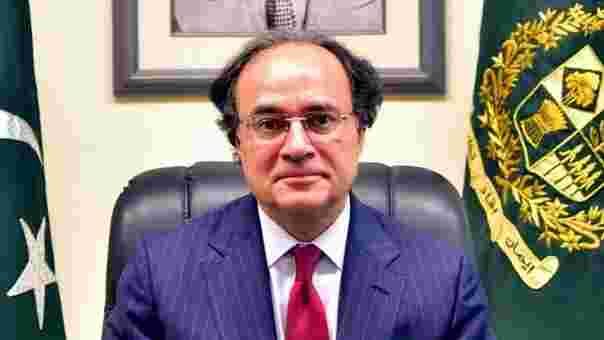
Islamabad: Finance Minister Muhammad Aurangzeb on Wednesday acknowledged that high taxation, elevated energy tariffs and costly financing have prompted some multinational companies (MNCs) to exit Pakistan, while maintaining that overall investor confidence remains stable as new domestic and foreign players continue to enter the market.
Addressing the Pakistan Policy Dialogue, organized by the Policy Research & Advisory Council (PRAC) in collaboration with the Corporate Pakistan Group (CPG) and Nutshell Group, Aurangzeb said the concerns raised by exiting firms were real and needed to be addressed through reforms. The event was supported by Bank Alfalah and BankIslami, with the Ministry of Commerce and TDAP as founding partners.
Commenting on the MNC outflow, the finance minister said it was important to recognize structural issues such as tax pressure, high energy prices and financing constraints. However, he added that companies must also adapt to changing realities, noting that outdated business models struggle to survive in a modern, competitive environment.
He cited Nestlé and Unilever as examples of multinationals that have successfully localized operations through domestic sourcing and export-oriented strategies, allowing them to protect margins and remain profitable in Pakistan.
Aurangzeb said Pakistan had attracted around 20 new foreign investors in the past 18 months, including Google, Aramco, Wafi Energy and Turkish Petroleum, signaling continued interest in the country’s market. He added that structural reforms, particularly the transformation of the Federal Board of Revenue (FBR), were underway to strengthen compliance and enforcement.
The minister said remittances are expected to exceed USD 41 billion this year, compared to USD 38 billion last year, providing vital support to foreign exchange reserves. He stressed that reforms in tax administration and the energy sector were central to the government’s stabilization strategy.
Highlighting fiscal challenges, Aurangzeb said inefficiencies in state-owned enterprises (SOEs) were costing nearly Rs1 trillion annually, forcing tough decisions such as shutting down loss-making entities. He also announced that all government payments will be digitized by June, improving transparency and governance.
The finance minister reiterated plans to phase out Regulatory Duty (RD), Customs Duty (CD) and Additional Customs Duties (ACDs) over five years to reduce input costs and support an export-led growth model. He warned that excessive protection and frequent duty hikes had weakened competition and hurt productivity.
On debt management, Aurangzeb termed debt servicing the country’s largest expenditure, revealing savings of about Rs850 billion last year and expressing optimism for similar gains ahead.
Other speakers, including Planning Minister Ahsan Iqbal, Climate Change Minister Dr Musadik Malik, and former SBP governor Dr Ishrat Hussain, emphasized political stability, fair competition, privatization and export diversification—particularly in services—as critical to Pakistan’s long-term economic recovery.