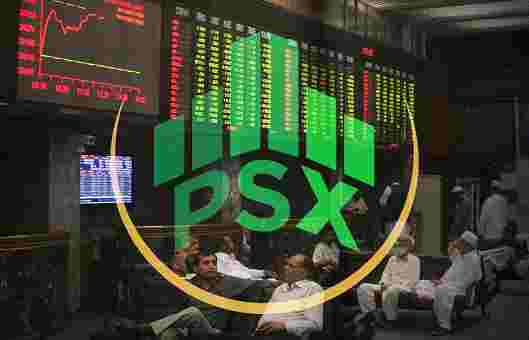
Karachi, April 3, 2026 – The benchmark KSE-100 index at the Pakistan Stock Exchange plunged by more than 1,600 points on Friday, as investors reacted sharply to a steep hike in petroleum prices announced by the government a day earlier.
The market witnessed strong selling pressure throughout the session, with the KSE-100 index closing at 150,398.71, down 1,612.55 points (-1.06%) compared to the previous close of 152,011.26. The index touched an intraday high of 152,103.62 and a low of 148,796.54, reflecting heightened volatility.
Fuel Price Hike Triggers Market Panic
Market sentiment turned bearish after the government significantly increased fuel prices, ending subsidies and pushing diesel prices up by around 55% and petrol by 43%. The move sparked fears of rising inflation, higher production costs, and a slowdown in economic activity, leading to widespread selling across key sectors.
Analysts at Topline Securities Limited noted that the negative momentum carried over from the previous session, with the index declining 1.06% as investors reassessed risk following the policy shift.
Heavyweights Drag Index Lower
Major stocks weighed heavily on the index, with UBL, ENGROH, FFC, SYS, and LUCK collectively shaving off nearly 1,100 points. These index-heavy companies faced pressure amid concerns over increased operating costs and reduced profit margins due to higher energy prices.
Trading Activity Remains Robust
Despite the sharp decline, trading activity remained strong. The total traded volume stood at approximately 469 million shares, while the traded value reached PKR 24.6 billion.
In terms of value, the most actively traded stocks included ATRL (PKR 2.7 billion), UBL (PKR 2.2 billion), PPL (PKR 1.4 billion), OGDC (PKR 1.23 billion), and PSO (PKR 811 million), indicating continued investor interest in energy and banking sector stocks.
Outlook Remains Uncertain
Market experts believe that the near-term outlook for the stock market will remain uncertain, as investors digest the full impact of rising fuel prices on inflation, corporate earnings, and economic growth. Further policy measures and macroeconomic developments will likely determine the direction of the market in the coming sessions.