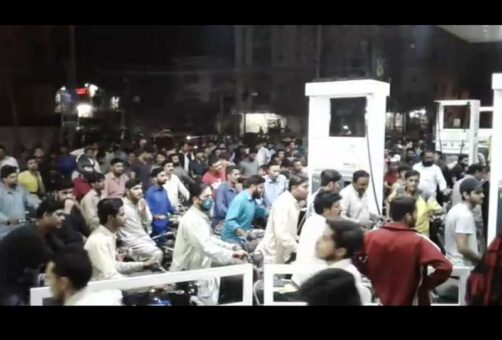
Islamabad – In response to rising global oil prices triggered by escalating tensions in the Middle East, the Government of Pakistan has decided to introduce a fuel rationing mechanism aimed at protecting low-income segments of society. The initiative is expected to primarily benefit motorcycle riders, rickshaw drivers, and potentially owners of small cars up to 800cc.
According to officials, the proposed system will be powered by a digital infrastructure, with a dedicated mobile application to manage fuel quotas and ensure targeted subsidy distribution. The plan is designed to shield vulnerable groups from the impact of soaring petrol prices while promoting fuel conservation across the country.
Digital Fuel Quota System
The government plans to roll out two separate mobile applications—one for consumers and another pre-installed system for petrol pump operators. Through the app, users will register their vehicles using their Computerised National Identity Card (CNIC) and vehicle registration number.
Each eligible user will receive a fixed monthly fuel quota, with initial proposals suggesting around 20 litres for motorcycles. Consumers will generate digital vouchers through the app, which will be scanned or manually entered by fuel station operators. The system will automatically validate the available quota before allowing fuel dispensing.
For instance, if a user has a remaining quota of 15 litres but requests 20 litres, the system will only permit the purchase of the remaining 15 litres. This automated mechanism aims to ensure transparency and eliminate misuse, similar to digital subsidy models used in past government relief packages.
Institutional Coordination
The proposal was finalised during a high-level meeting involving the Oil and Gas Regulatory Authority (OGRA), the Ministry of Information Technology, the Petroleum Division, and the Finance Division. The initiative is part of a broader relief package intended to cushion the financial burden on low-income households amid rising inflation.
To support implementation, petrol stations will be required to install dedicated dispensers or nozzles for subsidised fuel distribution. Oil marketing companies (OMCs) will appoint focal persons at each retail outlet to ensure smooth operations and address consumer complaints in coordination with OGRA.
Technology and Infrastructure
The Ministry of Information Technology will collaborate with mobile phone manufacturers to provide specialised smartphones for retailers. These devices are expected to cost around Rs36,000 initially, with a retail price of approximately Rs72,000. Petrol pump operators will be instructed to deposit funds into a designated government account for the procurement of these devices.
Additionally, the IT ministry will offer training through video tutorials and demonstrations to ensure seamless adoption of the system. A contingency mechanism will also be introduced to handle emergencies or technical disruptions.
Policy Background and Challenges
Efforts to introduce targeted fuel subsidies in Pakistan have faced hurdles in the past. In 2023, a cross-subsidy plan proposed by then Minister of State for Petroleum Musadik Malik aimed to increase fuel prices for luxury vehicle owners to subsidise motorcycle users. However, the plan was shelved following concerns raised by the International Monetary Fund (IMF).
Similarly, in 2019, OGRA suggested introducing lower-grade 80-82 RON petrol for motorcycles as a cost-effective alternative, but the proposal faced resistance from industry stakeholders.
Outlook
The new fuel rationing plan represents a shift toward digitised, targeted subsidies aimed at ensuring equitable distribution of resources. However, its success will depend on effective implementation, technological readiness, and coordination among stakeholders. Final approval and quota limits are expected to be determined by the federal cabinet in the coming weeks.