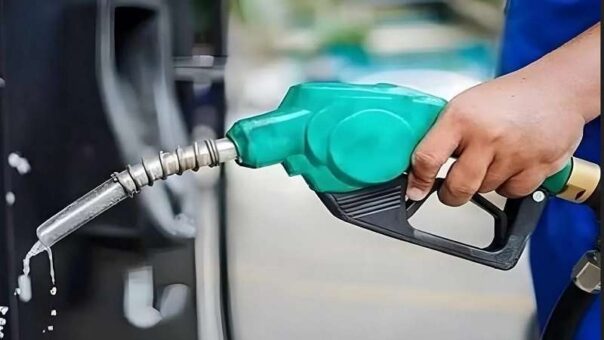
Islamabad – The government has revealed the latest position of petroleum stocks in Pakistan, confirming that supplies of petrol and high-speed diesel remain stable despite ongoing volatility in global oil markets.
The update came during a high-level meeting of the Cabinet Committee to Monitor Petrol Prices, chaired by Finance Minister Muhammad Aurangzeb. The session reviewed petroleum stock levels, import strategies, and supply chain management amid evolving geopolitical conditions impacting global energy markets.
Diesel and Petrol Stock Position
Officials informed the committee that high-speed diesel (HSD) stocks are sufficient for approximately 23 to 24 days, ensuring short-term energy security for transport, agriculture, and industrial sectors. Meanwhile, petrol stocks remain at comfortable levels, with no immediate risk of shortages across the country.
In addition, the committee was told that crude oil stocks currently provide around 11 days of cover, with multiple cargoes already in transit. These incoming shipments are expected to maintain refinery operations and ensure uninterrupted fuel supply through April 2026.
Imports and Refinery Operations
The Petroleum Division briefed participants that April’s fuel import plan has been actively secured, including both commercial purchases and government-to-government agreements. Authorities emphasized that these arrangements are aimed at minimizing costs while ensuring timely availability of petroleum products.
Local refineries are operating at optimal capacity, with efforts underway to maximize throughput and convert crude oil into refined products efficiently. This step is critical to reducing reliance on imported finished fuels and strengthening domestic energy resilience.
Global Oil Market Pressures
The committee noted that international oil markets remain highly volatile, with rising benchmark prices and increased cargo premiums for both petrol and diesel. These fluctuations are largely driven by supply uncertainties linked to regional geopolitical developments.
Members highlighted the need for careful procurement strategies, stressing that pricing variations among suppliers require prudent decision-making to avoid unnecessary financial burden.
Monitoring Demand and Preventing Hoarding
Recent data indicates an increase in domestic fuel demand, prompting authorities to enhance monitoring mechanisms. The committee directed provincial governments and regulatory bodies to take strict action against speculative stockpiling and hoarding, ensuring smooth distribution nationwide.
To improve transparency, the government is also working on a digital dashboard system that will provide real-time data across the petroleum supply chain, including retail outlets. This initiative aims to support faster and more informed decision-making.
Strategic Planning and Future Measures
The meeting also reviewed proposals related to fuel specification improvements and pricing optimization, which could enhance efficiency in fuel consumption and support local refining capacity.
Importantly, the committee agreed to initiate work on a strategic petroleum reserves framework, in line with directives from Prime Minister Shehbaz Sharif. The Petroleum Division has been tasked with developing a comprehensive plan for future consideration.
Government’s Assurance
Concluding the meeting, Finance Minister Aurangzeb reaffirmed that the government’s top priority is ensuring uninterrupted fuel supply while shielding consumers from global price shocks. He noted that proactive planning and coordinated efforts have helped Pakistan maintain a stable petroleum supply despite challenging international conditions.
The meeting was attended by senior federal ministers, including Petroleum Minister Ali Pervaiz Malik, along with key officials from relevant ministries and regulatory authorities.