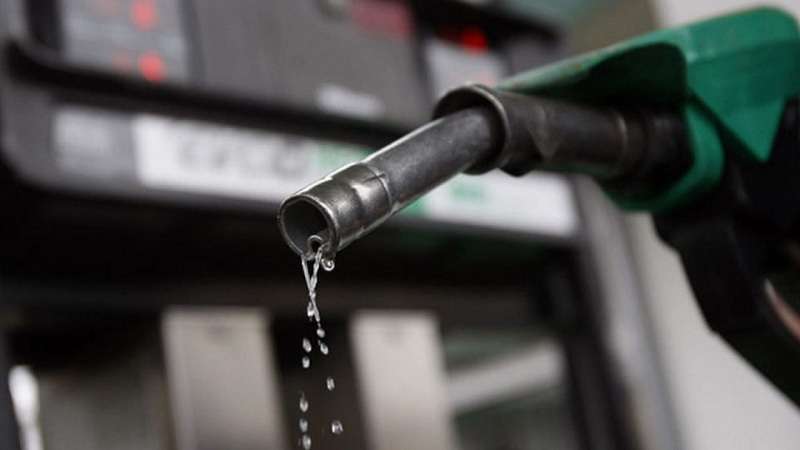
The economic shockwaves from the escalating conflict linked to the Strait of Hormuz are now hitting home in Pakistan, where citizens are grappling with unprecedented fuel prices and rising financial distress. The government’s latest move to sharply increase petroleum prices has triggered widespread concern, pushing already strained households closer to the brink.
In a historic decision, Prime Minister Shehbaz Sharif approved a massive hike, taking petrol prices to Rs458.4 per litre—an increase of Rs137 or 43%. High-speed diesel surged even higher, climbing Rs185 to reach Rs520.35 per litre, marking a staggering 55% jump. These are the highest fuel prices in Pakistan’s history.
Why Are Prices Rising So Fast?
At the core of the surge is a mix of global and domestic pressures. International oil markets have been rattled after tensions escalated involving the Iran, leading to supply disruptions and the partial closure of key oil routes. This has driven global prices upward, with petrol rising to $136.4 per barrel and diesel to $285.
However, the local increase far exceeds global trends. A major factor is the government’s decision to raise the petroleum levy on petrol to a record Rs161 per litre—up from Rs106. This tax hike alone added Rs55 per litre, significantly inflating the final price for consumers.
IMF Pressure and Policy Choices
The government’s inability to secure relief from the International Monetary Fund has also played a crucial role. The IMF capped fuel subsidies at Rs152 billion, leaving Islamabad with limited options. Finance Minister Muhammad Aurangzeb faced criticism for failing to negotiate flexibility, especially amid a global crisis.
Despite previously setting aside contingency funds for emergencies, the government chose not to deploy them fully. Instead, it shifted the burden onto consumers through increased taxes and reduced subsidies.
Everyday Impact: A Nation Under Pressure
For ordinary Pakistanis, the consequences are immediate and severe. Transport costs have surged, food prices are expected to rise further, and businesses are struggling to cope with higher operating expenses. With poverty already at an 11-year high and unemployment at a 21-year peak, this latest shock could deepen economic inequality.
Adding to public frustration is the perception of unequal sacrifice. While citizens bear the brunt of rising costs, reports of continued government spending—such as new vehicles for bureaucrats and unchanged official travel protocols—have fueled criticism.
A Crisis Compounded
This marks the second major fuel hike in less than a month, with cumulative increases reaching 63% for petrol and 75% for diesel. Analysts warn that if global tensions persist, particularly around the Strait of Hormuz, further increases may be unavoidable.
As geopolitical conflict spills into economic reality, Pakistan faces a critical challenge: balancing fiscal discipline with public relief. For now, however, the cost of war—though fought miles away—is being paid daily by millions at the pump.