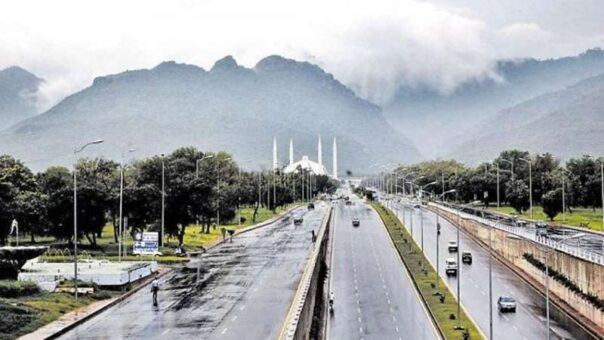
Islamabad, April 8, 2026: Pakistan is set to play a key diplomatic role as Islamabad prepares to host direct negotiations between the United States and Iran on April 10, following a major ceasefire agreement between the two countries.
Prime Minister Shehbaz Sharif announced that both sides, along with their allies, have agreed to an immediate ceasefire across all fronts, including Lebanon and other conflict zones. The development marks a significant step toward reducing tensions in the region after weeks of escalating hostilities.
In an official statement, the prime minister welcomed the decision and invited delegations from both countries to Islamabad for what he described as “conclusive talks” aimed at resolving long standing disputes. He expressed hope that the upcoming negotiations, now being referred to as the Islamabad Talks, would lead to sustainable peace and stability in the region.
The ceasefire agreement also includes provisions for the reopening of the strategically vital Strait of Hormuz, allowing safe passage for global oil shipments for an initial period of two weeks. This move is expected to ease pressure on global energy markets and restore confidence among investors.
Iran’s top security body confirmed that its armed forces would halt defensive operations if attacks against the country are stopped. The council further stated that Iran is committed to participating in negotiations in Islamabad and is prepared to engage in discussions for up to two weeks, with the possibility of extending the timeline if both sides agree.
Iranian Foreign Minister Seyed Abbas Araghchi expressed appreciation for Pakistan’s diplomatic efforts, acknowledging the role of Prime Minister Shehbaz Sharif and senior military leadership in facilitating the ceasefire.
Analysts view Pakistan’s role as a mediator as a major diplomatic achievement, positioning the country as an important player in promoting dialogue and peace in the region. The success of the upcoming talks could have far reaching implications for regional stability and global markets.