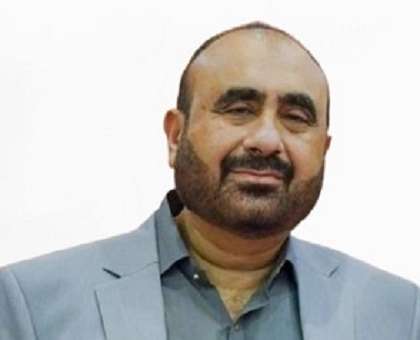
Karachi, March 6, 2026: Khurram Ijaz, General Secretary of the Businessmen Panel Progressive (BMPP) and former Vice President of the Federation of Pakistan Chambers of Commerce and Industry (FPCCI), has expressed serious concern over the continued rise in Pakistan’s public debt, warning that the growing burden could pose significant challenges for the country’s economic stability and fiscal sustainability.
According to the latest data released by the State Bank of Pakistan (SBP) on March 5, 2026, Pakistan’s total public debt increased by around 10 percent over the past year, reaching Rs79.32 trillion by January 31, 2026 from Rs72.12 trillion, reflecting higher domestic and external borrowing amid persistent fiscal pressures.
The SBP figures show that domestic debt climbed to Rs55.98 trillion, compared with Rs50.24 trillion a year earlier, while external debt rose to Rs23.34 trillion, up from Rs21.88 trillion during the same period.
Commenting on the situation, Khurram Ijaz said that the rapid increase in public debt highlights the urgent need for structural reforms and prudent fiscal management.
“The rising trajectory of public debt is a matter of serious concern for the business community and the country’s economic managers. If borrowing continues at this pace without a parallel increase in productive capacity and exports, the debt servicing burden could become increasingly difficult to manage,” said Ijaz.
He emphasized that excessive reliance on borrowing, particularly short-term domestic borrowing, could crowd out private sector investment and slow economic growth.
“The government must focus on expanding the tax base, promoting exports, and reducing non-essential expenditures. Sustainable economic growth cannot be achieved through debt accumulation alone,” he added.
Ijaz also urged policymakers to ensure that borrowed funds are directed toward productive sectors such as infrastructure, industry, and export-oriented initiatives, which can generate long-term economic returns.
“Borrowing is not inherently negative if it is used for productive investment that enhances economic capacity. However, debt used mainly to finance current expenditures creates long-term vulnerabilities for the economy,” he noted.
He further stressed the importance of strengthening fiscal discipline and improving public financial management to maintain investor confidence and macroeconomic stability.
“Pakistan must adopt a balanced strategy that combines fiscal responsibility with growth-oriented policies. Without a clear roadmap for debt sustainability, the country risks increasing pressure on future budgets and economic stability,” Ijaz concluded.