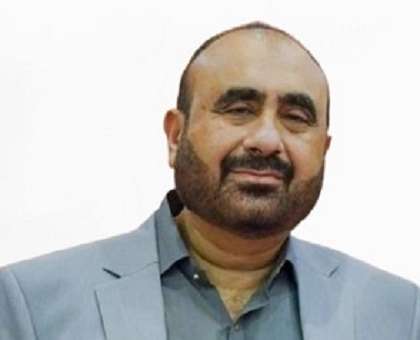
Karachi, February 15, 2026 – Khurram Ijaz, Secretary General of the Businessmen Panel Progressive and former Vice President of the Federation of Pakistan Chambers of Commerce and Industry (FPCCI), has called for urgent reforms in the governance of State-Owned Enterprises (SOEs) following the disclosure of staggering losses for the year 2025.
Criticizing the reported net loss of Rs122 billion—a staggering 300% increase compared to the previous year—Ijaz emphasized that these losses ultimately burden taxpayers. “This loss is covered through the hard-earned money of the public. It is unacceptable that mismanagement continues to drain national resources,” he said, urging the government to review the boards of underperforming SOEs and ensure competent leadership.
The government released the annual performance report of SOEs in line with International Monetary Fund (IMF) conditions and implemented the SOE Act to curb losses, reduce circular debt, and improve accountability. While these reforms were a step in the right direction, Ijaz highlighted that implementation remains key. “Policies alone are not enough. The action plan and IMF suggestions must be executed in their true spirit to protect public finances,” he said.
Ijaz outlined a roadmap for SOE reforms, stressing three critical areas:
1. Comprehensive Asset Mapping: “Governments need to first know what they own. Consolidated lists of SOEs at national and subnational levels are essential,” he said, noting that many government entities remain unaware of the full scope of their holdings.
2. Clear Ownership Rationales: “Multiple and contradictory reasons for state ownership only create inefficiency. The purpose of state ownership must be clearly communicated to the public, the market, and relevant government departments,” Ijaz added.
3. Merit-Based Board Appointments: “Centralized, transparent, and independent board nomination processes are critical. Boards must be free from political interference to ensure competent governance,” he advised.
The 2025 SOE report highlighted concerning trends: total revenues declined by 8% to Rs12,430 billion, aggregate profits fell 13% to Rs709 billion, and total losses remained high at Rs832 billion. Despite rising net losses, total equity grew 7% to Rs6,245 billion, while total liabilities decreased 3% to Rs31,742 billion. Government support to SOEs surged 37% to Rs2,078 billion, but net flow to the government plunged sharply by 91% to Rs40.7 billion. Meanwhile, SOE debt rose 4% to Rs9,571 billion, government guarantees jumped 52% to Rs2,164 billion, and unfunded pensions climbed 41% to Rs2,030 billion. Circular debt, however, fell 13% to Rs3,929 billion.
Ijaz warned, “Unless structural reforms are implemented and the right people are placed on SOE boards, taxpayers will continue to bear the brunt of these losses, and government efficiency will remain in question. Competent leadership is the only way to secure the public’s money and improve SOE performance.”