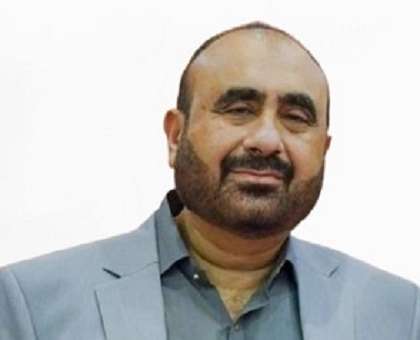
Karachi, February 12, 2026 – Khurram Ijaz, Secretary General of the Businessmen Panel Progressive (BPP), the ruling group of the Federation of Pakistan Chamber of Commerce and Industries (FPCCI), has expressed serious concerns over the government’s newly introduced net billing policy, cautioning that it could impose an additional financial burden of billions of rupees on consumers, industrialists, and the wider business community.
In a statement issued on Thursday, Ijaz, who also previously served as vice president of the FPCCI, said the government should prioritize policies that ease the ongoing energy crisis and support economic growth, rather than introducing measures that may further strain businesses and households.
He pointed out that industrialists across Pakistan have made substantial investments in solar energy systems to reduce production costs, remain competitive in international markets, and contribute to national energy self-sufficiency. However, he warned that under the net billing framework, businesses would be forced to sell surplus solar power to the grid at subsidized rates while buying electricity at higher commercial tariffs, creating what he described as a “double financial burden”.
“This approach threatens to undermine the very purpose of investing in renewable energy and could discourage further adoption of clean power solutions,” Ijaz said. He added that such a policy shift could erode investor confidence and weaken Pakistan’s progress towards sustainable energy.
Ijaz also noted that the commercial and industrial sectors are already struggling with soaring electricity prices, heavy taxation, and slowing economic activity. He cautioned that the introduction of net billing without adequate safeguards could stifle industrial expansion, reduce employment opportunities, and negatively affect exports at a time when the economy needs stability and growth.
Calling for urgent consultations, Ijaz urged federal and provincial authorities to engage all stakeholders, including industry representatives and energy experts, to develop a balanced and sustainable policy framework. He stressed that any new energy policy should protect consumers, promote renewable energy, and ensure long-term economic viability for businesses.