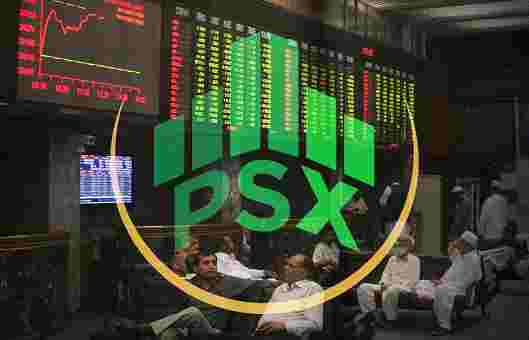
The benchmark KSE-100 Index of the Pakistan Stock Exchange closed higher on Monday, gaining 809 points after experiencing a sharp intraday plunge. The index rebounded strongly in the second half of the trading session, reflecting renewed buying interest across key sectors in Pakistan.
📊 KSE-100 Market Snapshot (April 6, 2026)
| Indicator | Value |
| Market Status | Closed |
| Current Index | 151,207.81 |
| Change | +809.10 |
| Percent Change | +0.54% |
| High | 151,875.01 |
| Low | 147,771.35 |
| Volume | 270,553,173 |
| Previous Close | 150,398.71 |
| Value Traded | Rs26.23 billion |
📉 Intraday Volatility
The KSE-100 Index opened on a negative note and witnessed a steep decline during midday trading, dropping by nearly 2,600 points at its lowest level. However, strong buying activity in the latter part of the session helped the market recover, pushing it into positive territory by the close.
The index touched an intraday high of 151,875.01 after recovering from a low of 147,771.35, highlighting significant volatility throughout the trading day.
📈 Sector-Wise Performance
Buying was observed across major sectors including automobile assemblers, cement, commercial banks, fertiliser, oil and gas exploration, and refineries. Key index-heavy stocks such as Mari Petroleum Company Limited, Oil and Gas Development Company Limited, Pakistan Petroleum Limited, and Pakistan State Oil traded in the green, contributing to the index’s recovery.
🌍 Market Sentiment & Global Factors
Market analysts attributed the volatility to global uncertainty, including statements from international political leadership that impacted global financial markets. The local bourse, closely tied to global trends, reacted accordingly.
Additionally, concerns over potential policy changes by the International Monetary Fund (IMF), particularly regarding fuel subsidies, have weighed on investor sentiment.
🔍 Outlook
While the market showed resilience with a strong recovery, analysts warn that ongoing global uncertainties and domestic economic conditions may continue to influence short-term volatility in the stock market.