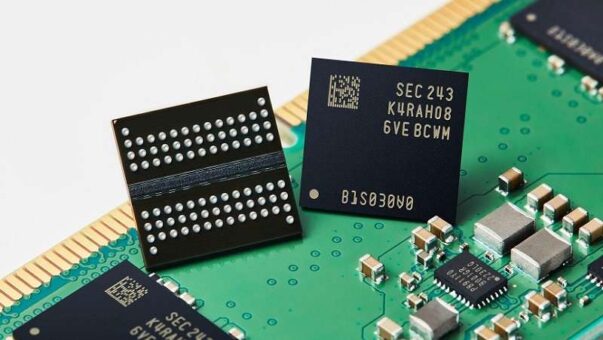
The ongoing global memory chip shortage is expected to significantly impact the smartphone industry in 2026, with shipments projected to decline sharply.
According to the latest forecast from market research firm TrendForce, global smartphone shipments could drop by 10% this year, bringing total annual shipments down to approximately 1.135 billion units.
However, TrendForce warns that the situation could worsen under what it calls a “bear-case scenario.” In this case, smartphone shipments may decline by as much as 15%, reducing total global shipments to around 1.061 billion units for the year.
While 2025 was not a particularly strong year for smartphone growth, the market still managed to close on a positive note. Annual shipments were estimated between 1.24 and 1.26 billion units, reflecting modest growth of about 2%. The sharp reversal forecast for 2026 highlights the growing pressure from surging memory prices.
TrendForce notes that memory components, which historically accounted for around 10–15% of a smartphone’s bill of materials (BOM), now represent an estimated 30–40% due to rising prices. This dramatic increase in component costs is expected to squeeze manufacturers’ margins and may lead to reduced production volumes for some brands.
As a result, average selling prices (ASPs) of smartphones are expected to rise in 2026. Manufacturers facing higher production costs are likely to pass part of the burden onto consumers, potentially impacting demand in price-sensitive markets.
The impact of rising memory prices will vary among smartphone brands. Samsung is expected to be relatively well-positioned due to its vertical integration and role as a major memory supplier. Apple may also weather the storm better, as its customer base has historically shown greater tolerance for price increases.
In contrast, many Chinese smartphone manufacturers could face greater challenges. Brands such as Xiaomi, which rely heavily on entry-level and budget devices, may be more vulnerable to cost volatility, given their price-sensitive customer segments.
With memory prices continuing to surge, 2026 could prove to be a challenging year for the global smartphone industry.