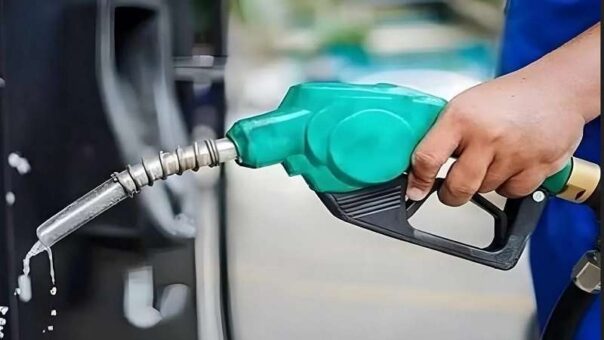
Islamabad, January 19, 2026 – The Government of Pakistan has launched a nationwide campaign to digitalize petrol pumps and the petroleum supply chain as part of its comprehensive reform agenda. The initiative aims to prevent fuel smuggling, eliminate illegal sales, and protect the interests of authorized dealers, according to an official statement from the Ministry of Petroleum.
The reforms focus on integrating all stages of the petroleum value chain—including imports, refineries, transportation, and retail outlets—under a robust track-and-trace system, ensuring real-time monitoring, transparency, and accountability. To support this effort, the Oil and Gas Regulatory Authority (OGRA) has successfully introduced the “Rahguzar” mobile application, providing verified information on legally operating petrol pumps across Pakistan. The app empowers consumers, regulators, and other stakeholders with access to authentic, up-to-date data.
To further strengthen monitoring, OGRA, in collaboration with the Punjab Information Technology Board (PITB), has developed a unified track-and-trace system for tankers, integrating ERP data, tanker movements, terminal operations, and retail outlet information on a single digital platform. The next phase will see full digitalization of petrol pumps, including the installation of automatic tank gauges and digital dispensing units for continuous and effective oversight of the downstream sector.
On the upstream side, Pakistan recently achieved a major milestone by successfully holding offshore bidding after 18 years, receiving bids for 23 exploration blocks. The Directorate General of Petroleum Concessions (DGPC) is launching a new online portal for digital bidding, enabling companies to register, access block details, and submit bids and supporting documents online.
Additionally, the Petroleum Division has developed an Explosives Track and Trace System (ETTS) to ensure real-time supply chain monitoring from manufacturers to end consumers, preventing illegal use, ensuring safe delivery, and promoting transparency. Legal reforms under the Petroleum Act 1934 and Customs Act 1969 now introduce IT-based tracking, penalties for illegal storage and transport, and stronger enforcement against smuggling.
In the gas sector, the ministry has implemented long-term supply-demand modeling, pricing frameworks, and circular debt reporting tools to enhance financial transparency. These broad digital and legal reforms reflect the government’s commitment to modernizing the petroleum sector, eliminating illegal activities, and establishing a technology-driven, internationally compliant regulatory framework.