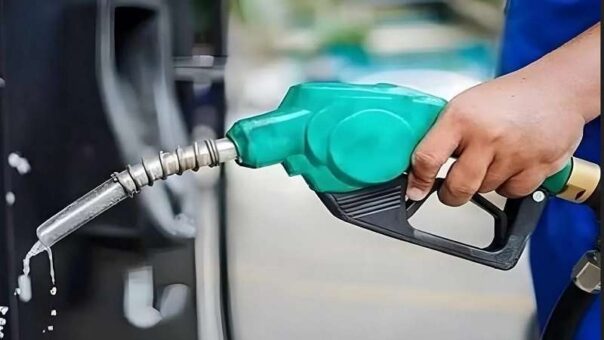
Lahore, March 22, 2026 – The government has significantly increased the levy on high-octane petrol used in luxury vehicles, aiming to shift the burden of rising fuel costs onto the wealthiest segment of society amid ongoing global energy pressures.
Prime Minister Shehbaz Sharif approved the move during a high-level meeting held via video link, directing authorities to raise the existing levy from Rs100 per liter by an additional Rs200. This brings the total levy on high-octane fuel to Rs300 per liter.
Targeting Luxury Consumption
According to an official statement, the increased levy will apply exclusively to high-octane fuel typically used in expensive vehicles, ensuring that the impact does not fall on the general public.
“This decision will reduce the economic burden on the country, with the richest class bearing the cost,” the statement said.
The government emphasized that petrol prices for ordinary vehicles will remain unchanged, and there will be no increase in public transport or airline fares as a result of the measure.
Expected Savings and Public Relief
The move is expected to generate Rs9 billion per month in additional revenue. Prime Minister Shehbaz Sharif has directed that these savings be utilized to provide relief to the broader population, particularly lower- and middle-income groups.
Fuel Crisis and Economic Context
The decision comes amid rising global oil prices triggered by escalating tensions in the Middle East, which have disrupted supply chains and pushed crude prices to multi-year highs.
Earlier this month, the government increased petrol and diesel prices by Rs55 per litre, citing international market pressures. However, the prime minister recently rejected further proposals for price hikes, opting instead to absorb part of the financial burden to protect consumers.
Finance Minister Muhammad Aurangzeb reiterated that the government is working on a targeted relief package for vulnerable segments, with multiple ministries collaborating on a coordinated response to the crisis.
Austerity Measures and Policy Direction
In addition to the levy hike, the government has introduced several austerity measures, including reduced fuel allocations for officials, limits on protocol vehicles, and proposals for subsidized fuel schemes.
Officials say the latest step reflects a broader policy approach to balance fiscal constraints while protecting the general public from the full impact of global fuel price shocks.
The government maintains that these measures are necessary to stabilize the economy while ensuring equitable distribution of the financial burden during a period of heightened global uncertainty.