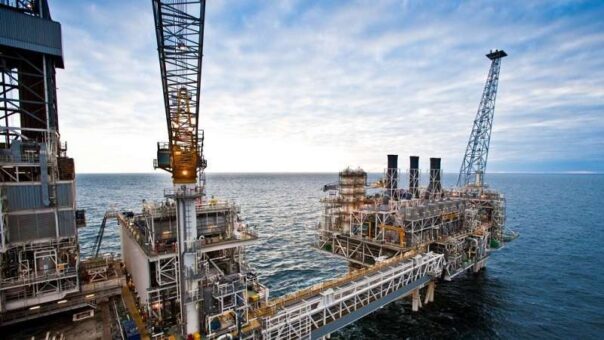
Islamabad, April 1, 2026 – Pakistan has announced plans to develop a major maritime energy hub aimed at strengthening its role in global energy logistics and trade. The initiative, titled the Pakistan Maritime Energy City (PMEC), will focus on storage and re-export of oil, liquefied natural gas (LNG), and liquefied petroleum gas (LPG).
The plan was unveiled by Federal Minister for Maritime Affairs Muhammad Junaid Anwar Chaudhry during a high-level meeting reviewing potential sites for new port infrastructure along the country’s coastline. The project is part of a broader strategy to expand Pakistan’s economic footprint and position it as a regional energy transit hub.
According to the minister, Pakistan has already demonstrated its logistical potential by facilitating foreign transshipment cargo amid ongoing regional tensions. Building on this momentum, the government aims to integrate the proposed energy city with existing and future port infrastructure to enhance efficiency in energy storage and redistribution.
A 12-member multi-agency committee has been established under the government’s long-term development framework, the Hundred Years Vision 2047–2147. The committee has been tasked with identifying suitable locations for three to four new deep-sea ports, along with associated industrial and logistics infrastructure.
Speaking at the meeting, Junaid Chaudhry emphasized that the energy city would serve both domestic and international markets. “Pakistan’s energy security will remain our top priority, but we are also creating capacity to meet global demand,” he said. The facility will enable international stakeholders to store energy products and re-export them to other markets, strengthening Pakistan’s role in regional supply chains.
The minister directed authorities to initiate land identification and prepare a comprehensive development plan. He stressed that consultations with provincial governments and other stakeholders would be conducted before the formal launch of the project to ensure alignment and smooth execution.
Highlighting the economic significance of the initiative, the minister noted that the energy city could generate substantial revenue, particularly during periods of regional instability when global supply chains face disruptions. He added that just as Pakistani ports are currently supporting transshipment operations, the new facility would cater to global energy requirements.
In addition to the central hub, the government also plans to develop smaller auxiliary energy facilities near key ports. These will be connected through pipelines, maritime routes, and re-export mechanisms to create an integrated and resilient energy network.
During the briefing, Rear Admiral Muhammad Khalid, Director General of Port Qasim Authority, informed participants that significant progress had been made in data collection for identifying new port sites. A detailed feasibility report—covering technical assessments, hydrographic mapping, environmental impact, and investment opportunities—is expected to be submitted soon.
The PMEC initiative is being viewed as a transformative step toward positioning Pakistan as a strategic gateway for global energy trade.