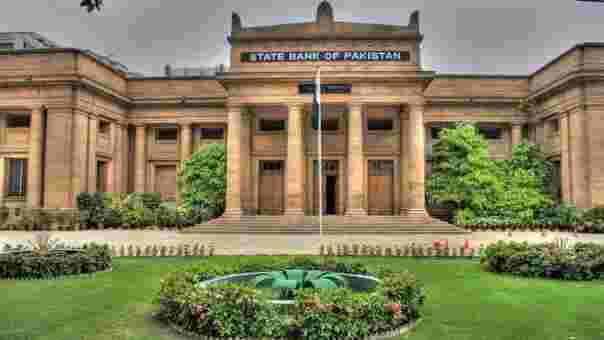
Karachi, April 10, 2026 – Pakistan’s central government debt increased by nearly Rs2 trillion during the first eight months of fiscal year 2025-26, driven largely by higher domestic borrowing to meet financing needs, data released by the State Bank of Pakistan showed on Thursday.
Total public debt, including both domestic and external liabilities, rose to Rs79.882 trillion by the end of February 2026, compared with Rs77.888 trillion at the end of June 2025. The increase of Rs1.994 trillion represents a growth of 2.5% over the period.
Analysts said the rise was primarily due to increased reliance on domestic sources, as external debt remained largely contained. The government has turned to the domestic banking system to bridge financing gaps amid revenue constraints.
Domestic debt climbed by 4%, or Rs2.207 trillion, during July-February FY26, reaching Rs56.679 trillion, up from Rs54.472 trillion at the close of the previous fiscal year.
Within domestic borrowing, long-term debt accounted for the bulk of the increase, rising to Rs47.481 trillion from Rs45.653 trillion, reflecting an addition of Rs1.828 trillion. Short-term debt also increased, growing by Rs376 billion to Rs9.132 trillion by the end of February.
In contrast, external debt posted a slight decline during the period. It fell by Rs214 billion to Rs23.203 trillion, compared with Rs23.417 trillion at the end of June 2025.
Despite the rising debt, Pakistan recorded an overall fiscal surplus during the current fiscal year, supported by controlled expenditures and relatively lower interest payments. However, revenue growth has remained moderate, with tax collection rising by 10.6% in the July-February period, below the pace required to meet annual targets.
The State Bank of Pakistan emphasized the need for sustained fiscal consolidation through broadening the tax base and implementing structural reforms to ensure macroeconomic stability.
The central bank has also taken steps to support liquidity by lowering the cash reserve requirement, aiming to encourage private sector lending while maintaining financial stability.