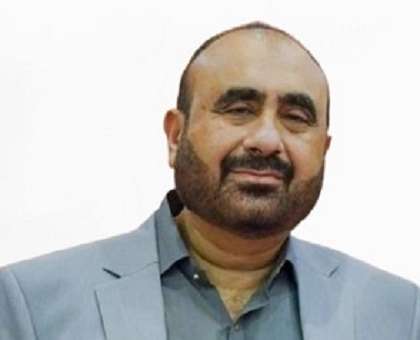
Karachi, February 25, 2026 – Khurram Ijaz, Secretary General of the Businessmen Panel Progressive (BMPP) and former vice president of Federation of Pakistan Chambers of Commerce and Industry (FPCCI), has expressed deep concern over the latest planning ministry survey, highlighting the severe economic challenges facing Pakistan.
The survey reveals that poverty has surged to an 11-year high of 29 percent, income inequality has reached a 27-year peak of 32.7 percent, and nearly 70 million people live below the monthly poverty line of Rs8,484.
“Contrary to government claims of economic stability, these figures paint a grim reality for millions of Pakistanis whose incomes have shrunk and opportunities dwindled,” said Khurram Ijaz. He emphasized that real monthly household incomes have fallen 12 percent since 2019, from Rs35,454 to Rs31,127 in FY2024-25, while long-standing trends of poverty reduction have reversed for the first time in 13 years.
The survey also underscores structural weaknesses in the economy. The Labour Force Survey indicates unemployment at a 21-year high of 7.1 percent, while the investment-to-GDP ratio stagnates at 13.8 percent, with multinational and domestic businesses downsizing or exiting due to high interest rates, energy costs, and a restrictive tax regime under IMF-mandated policies.
Khurram Ijaz warned that the current policy framework is anti-growth and anti-poor, and while negotiating with the IMF is important, domestic policymakers must also address fiscal recklessness, regressive taxation, and public expenditure priorities to alleviate the social and economic burden on citizens.
“Blaming the IMF alone is insufficient. Meaningful relief requires a decisive shift in government priorities, accountability, and policies aligned with the realities faced by ordinary Pakistanis,” he added.