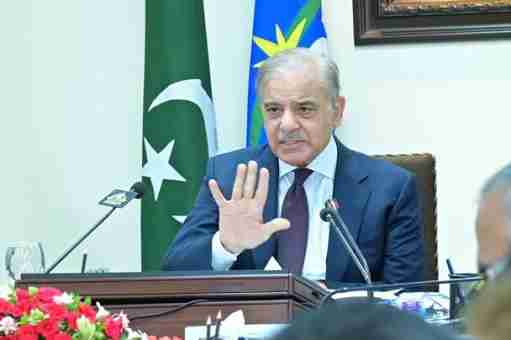
Islamabad, March 9, 2026 – Shehbaz Sharif, the Prime Minister of Pakistan, has announced strict austerity measures to cope with the global fuel crisis triggered by escalating tensions in the Middle East following attacks by the United States and Israel on Iran.
Addressing the nation, the premier said the region had entered a dangerous phase of conflict after air strikes killed Iran’s Supreme Leader Ayatollah Ali Khamenei and several senior officials, prompting retaliatory attacks by Tehran on US military bases in Gulf countries. The crisis deepened further after Iran reportedly closed the Strait of Hormuz, disrupting global oil shipments and pushing international crude prices sharply higher.
The prime minister said the government had taken difficult decisions to stabilize the economy and manage the impact of rising fuel costs. He noted that crude oil prices had surged from around $60 to over $100 per barrel, increasing pressure on energy-importing countries like Pakistan.
Key Austerity Measures Announced
| Measure | Details |
| Fuel for government vehicles | Reduced by 50% for two months |
| Government department vehicles | 60% to remain off the roads for two months |
| Federal cabinet salaries | Ministers, advisers, and special assistants to forgo salaries for two months |
| Parliamentarians’ salaries | Reduced by 25% |
| Government departmental expenses | Cut by 20%, excluding salaries |
Shehbaz Sharif said both federal and provincial governments participated in an emergency meeting to finalize the measures aimed at reducing public spending and conserving fuel.
The prime minister also acknowledged the recent increase in petrol and diesel prices by Rs55 per litre, calling it a difficult but necessary decision to manage rising import costs.
He assured the public that the government would try to minimize the burden on ordinary citizens, emphasizing that austerity measures would not affect industrial or agricultural production to ensure exports, food supply, and economic activity remain stable.
Shehbaz Sharif also stressed that Pakistan continued to face security challenges along its western borders and said the armed forces, under the leadership of Asim Munir, were responding to terrorist threats effectively.
The premier urged all segments of society, particularly the privileged classes, to share the burden of austerity as Pakistan navigates the economic and geopolitical challenges caused by the ongoing Middle East conflict.