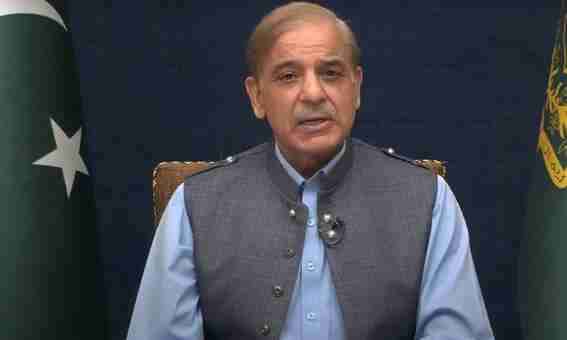
Islamabad, November 19, 2025: Prime Minister Shehbaz Sharif on Wednesday approved a robust and comprehensive plan to prepare Pakistan for next year’s monsoon season, emphasizing early action to prevent loss of life, property, and economic setbacks.
Chairing a high-level meeting, the premier directed the Ministry of Climate Change, Ministry of Planning, and the National Disaster Management Authority (NDMA) to work closely with provincial governments for integrated climate and flood management planning. He also called for convening the National Water Council to coordinate national-level water resource strategies.
The meeting reviewed international forecasts and climate indicators for the upcoming monsoon. The Ministry of Climate Change presented short-, medium-, and long-term strategies, which the prime minister approved for immediate execution.
Speaking at a press briefing, Climate Minister Musadik Malik highlighted Pakistan’s vulnerability to floods, citing that past floods caused over 4,500 deaths and displaced nearly 40 million people, with the 2022 floods alone resulting in losses equivalent to 9% of the country’s GDP. This year, 3.1 million people lost their homes due to extreme monsoon events. Malik stressed that the current drainage system is insufficient to cope with modern monsoon intensity.
The approved strategy includes a 250-day short-term plan to repair critical infrastructure like dykes, flood gates, and drainage systems before the next monsoon. It also mandates the integration of early warning systems at district and tehsil levels, and plans for temporary schools and mobile healthcare units in flood-prone areas.
The medium-term plan, spanning three years, aims to expand and upgrade drainage and flood management systems. The long-term strategy, over five years, envisions climate-resilient infrastructure capable of withstanding extreme weather events.
Prime Minister Shehbaz emphasized that flood prevention and minimizing loss of life would guide policymaking. He pledged to personally oversee the implementation, ensuring Pakistan is better prepared for extreme climate events while reducing the economic burden caused by natural disasters.
Federal ministers Ahsan Iqbal, Ahad Khan Cheema, Muhammad Aurangzeb, Attaullah Tarar, and senior officials attended the meeting, reflecting a unified government approach toward climate resilience and disaster management.