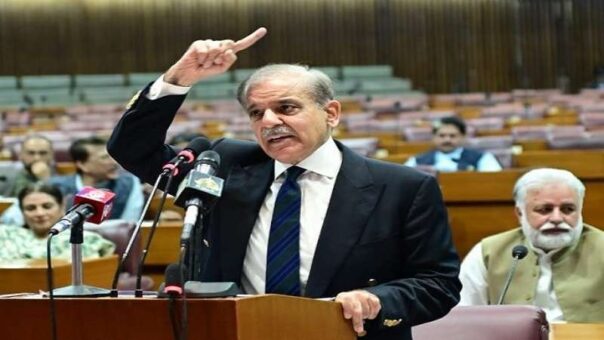
Islamabad, April 5, 2026 – Shehbaz Sharif has announced a wide-ranging fuel subsidy package aimed at stabilizing transport costs and curbing the rising prices of essential commodities across Pakistan. The initiative comes amid ongoing economic pressures and regional tensions impacting fuel prices.
Chairing a high-level meeting in Islamabad on April 5, 2026, the prime minister reiterated the government’s commitment to providing relief to the public. Officials briefed him on the progress of petroleum subsidies, national fuel reserves, and consumption trends.
Under the new package, the government is offering targeted subsidies to various segments of the transport sector. Passenger buses will receive Rs100,000 per month, while minibuses and wagons are being allocated Rs40,000 monthly to prevent fare hikes. To address the rising cost of essential food items, freight transport has also been included in the relief plan. Trucks will receive Rs70,000 per month, large freight vehicles Rs80,000, and delivery vans Rs35,000.
The prime minister emphasized that these subsidies are being distributed through digital wallets to ensure transparency and efficiency. He directed authorities to expedite disbursements, which have already begun ahead of schedule on his special instructions, despite the initial rollout being planned for the following week.
The federal government has coordinated with provincial administrations to gather data on eligible vehicles. The government of Balochistan was praised for promptly depositing its share for the national subsidy package. The prime minister also acknowledged Chief Minister Mir Sarfraz Bugti for his cooperation and expressed hope that other provinces would follow suit soon.
According to officials, the government has rolled out a public relief package worth Rs129 billion over the past three weeks. Additional measures include a reduction in the petroleum levy by Rs80 per litre, aimed at providing immediate financial relief.
Furthermore, Pakistan Railways has extended a Rs6 billion subsidy to maintain stable fares for passengers and freight services. The government has also withdrawn the planned 25 percent quarterly increase in toll taxes to ease the burden on transporters.
Authorities assured the meeting that adequate fuel reserves are available to meet national demand. A report by the Intelligence Bureau was also presented, highlighting progress on austerity and cost-cutting measures.
The meeting was attended by senior cabinet members, including Ishaq Dar and other federal ministers, reflecting the government’s focus on coordinated economic management during challenging times.