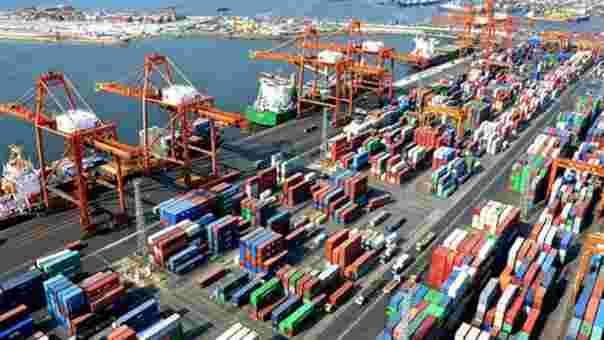
Karachi, March 6, 2026: Operations at Port Qasim Authority (PQA) remained stable on Friday, with several vessels arriving, departing, and berthing at the port despite rising geopolitical tensions in the Middle East.
According to the daily shipping activity report issued by Port Qasim Authority at 8:00 AM PKT on March 6, 2026, multiple cargo vessels handled petroleum products, chemicals, and bulk commodities during the past 24 hours at Port Qasim, one of Pakistan’s busiest deep-sea ports located near Karachi.
Vessels Departing from Port Qasim
During the reporting period, three ships completed cargo operations and departed from the port. The vessel M.V. Venus Halo sailed from the Pakistan International Bulk Terminal carrying 53,627 metric tons of petroleum coke. The ship measured 190 meters in length and was handled by International Shipping & Ports.
Another tanker, M.T. Himalia, departed from the Liquid Cargo Terminal after unloading 24,439 metric tons of palm oil. The vessel was managed by Al-Pine Marine and had a length overall (LOA) of 183 meters.
Meanwhile, M.T. DM Condor sailed from the EVTL terminal carrying 10,027 metric tons of paraxylene, a key petrochemical product widely used in industrial manufacturing.
New Arrivals at the Port
The port also welcomed new vessels during the same period. M.T. Elm Galaxy berthed at the EVTL terminal carrying 5,227 metric tons of ethylene dichloride (EDC), an important chemical used in the production of PVC.
Another vessel, M.T. M Bristol, also arrived at the Liquid Cargo Terminal late in the evening for cargo handling operations.
Port Activity Remains Stable
Despite concerns over regional geopolitical tensions, shipping operations at Port Qasim continued smoothly with routine cargo handling and vessel movements. Port officials indicated that the port remains fully operational and capable of handling both bulk and liquid cargo shipments.
Port Qasim, which handles a significant share of Pakistan’s imports including energy products, edible oils, and industrial raw materials, continues to play a vital role in supporting the country’s trade and supply chains.