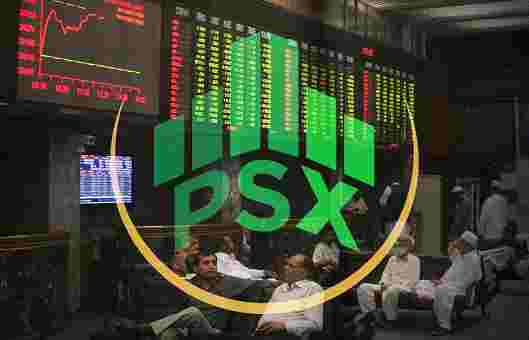
Karachi, April 1, 2026 – The Pakistan Stock Exchange (PSX) witnessed a sharp downturn in March 2026, with the benchmark KSE-100 Index posting its worst monthly performance in years. The index plunged by 19,319 points on a month-on-month basis, translating into a negative return of 11.5%—the steepest decline since March 2020 in percentage terms.
Market analysts, including those at Arif Habib Limited, attributed the bearish sentiment to a combination of global and domestic factors. Heightened geopolitical tensions, particularly in the Middle East, rising international oil prices, and persistent selling pressure from local investors weighed heavily on the market. Additionally, seasonal slowdown during Ramadan further dampened trading activity.
Macroeconomic indicators also painted a mixed picture. Pakistan’s inflation, measured by the Consumer Price Index (CPI), rose to 7.0% year-on-year in February 2026, up from 5.8% in January, marking the highest level since October 2024. Meanwhile, the country’s current account recorded a surplus of $427 million in February—the highest since March 2025—compared to a deficit of $85 million in the same period last year.
Despite the improved external account position, cumulative figures for the first eight months of FY26 showed a deficit of $700 million, reversing a surplus of $479 million recorded last year. This added to investor caution amid uncertainty in economic stability.
The State Bank of Pakistan (SBP) maintained the policy rate at 10.5% during March, signaling a cautious stance in response to global volatility and inflationary risks. Furthermore, Pakistan reached a staff-level agreement with the International Monetary Fund under the Extended Fund Facility (EFF) and Resilience and Sustainability Facility (RSF), potentially unlocking around $1.21 billion, subject to approval.
On the energy front, rising global oil prices led to an increase in domestic fuel prices earlier in March, although rates were later held steady despite continued pressure. Analysts noted that subsidies through price differential claims surged, adding fiscal strain.
Overall, the sharp decline in the KSE-100 Index reflects investor concerns over economic uncertainty, geopolitical risks, and rising costs, signaling a challenging outlook for Pakistan’s equity market in the near term.