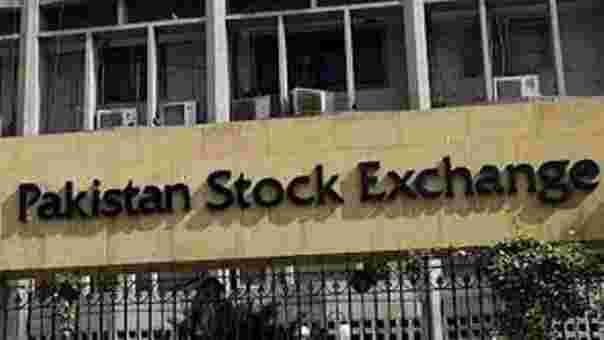
Karachi, April 4, 2026 – The benchmark KSE-100 Index witnessed a weekly decline of 1,309 points, closing at 150,399 points for the week ended April 3, 2026. According to analysts at Arif Habib Limited, the market remained volatile due to ongoing geopolitical tensions and macroeconomic concerns, resulting in sustained selling pressure.
The index posted a week-on-week decline of 0.9%, reflecting cautious investor sentiment despite some positive economic indicators. One of the key concerns was rising inflation, as Pakistan’s Consumer Price Index (CPI) climbed to 7.3% year-on-year in March 2026, marking its highest level since August 2024.
Fuel price adjustments also influenced market dynamics. High-speed diesel (HSD) prices surged significantly, while petrol prices initially increased before being reduced by Shehbaz Sharif to Rs378 per liter after a cut in petroleum levy. These fluctuations impacted transport costs and broader economic expectations.
On the macroeconomic front, Pakistan reported GDP growth of 3.89% in the second quarter of FY2026, driven by industrial expansion of 7.40%, alongside modest contributions from agriculture and services. Meanwhile, the trade deficit narrowed to $2.7 billion in March, supported by a decline in imports.
Fiscal indicators, however, painted a mixed picture. The Federal Board of Revenue collected Rs1,185 billion in March, missing its target by Rs182 billion. Similarly, public debt rose by 1.1% to Rs81.4 trillion during the first half of FY2026, raising concerns about fiscal sustainability.
Liquidity conditions showed slight improvement, with reserves held by the State Bank of Pakistan increasing to $16.4 billion. The Pakistani rupee remained largely stable against the US dollar, appreciating marginally to Rs279.17.
Sector-wise, the decline was led by fertilizer, investment banks, technology, oil marketing companies, and cement sectors. Key stocks such as UBL, ENGROH, FFC, SYS, and PSO dragged the index lower. On the other hand, banking stocks including MEBL, BAHL, HBL, and BAFL provided some support, alongside gains in refinery and exploration sectors.
Trading activity remained healthy, with average daily volumes rising to 492 million shares, while the average traded value increased to $100.5 million, indicating sustained investor participation.
Looking ahead, analysts believe that the performance of the KSE-100 Index will depend on geopolitical developments and the upcoming corporate earnings season. Currently, the market is trading at an attractive price-to-earnings ratio of 7.4x, offering a dividend yield of around 6.8%, which may continue to draw investor interest in the near term.