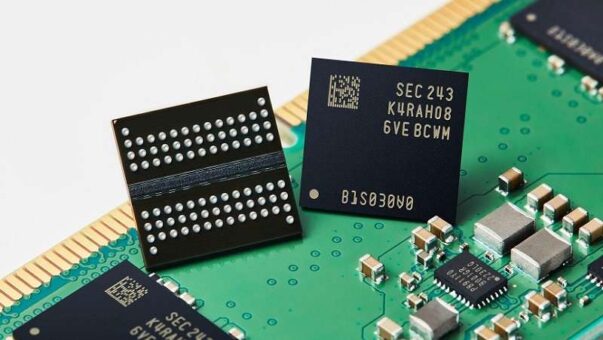
Samsung has reportedly increased the price of its LPDDR DRAM memory chips by a massive 80 percent, a move that could significantly impact the cost of smartphones and other consumer electronics launching in 2026.
The sharp price hike is being driven by the AI industry’s growing demand for high-performance memory, which has pushed global DRAM prices to record levels.
According to a report from South Korea, Samsung has raised LPDDR DRAM pricing by around 80 percent compared to what it charged Apple during Q4 2025. Industry sources cited in the report also claim that SK Hynix, Samsung’s biggest rival in the memory market, has increased its DRAM prices by as much as 100 percent, highlighting the severity of the ongoing supply-demand imbalance.
The surge in DRAM prices is expected to ripple across the tech industry, making smartphones, tablets, laptops, and AI-powered devices more expensive for consumers. Even Apple, the world’s largest smartphone manufacturer, is not immune to the impact. Apple relies heavily on Samsung and SK Hynix for memory components used in iPhones, iPads, and Macs.
Historically, Apple has managed to absorb rising component costs through long-term supply agreements with key partners. However, the latest report suggests that this strategy may offer only limited protection this time. Apple is said to have signed a deal with Samsung that locks in DRAM pricing only for the first half of 2026, leaving the company exposed to further price increases later in the year.
As a result, industry analysts believe that upcoming products—particularly the iPhone 18 series and other next-generation Apple devices—could launch with higher price tags. Rising memory costs, combined with increased expenses related to AI features and advanced chipsets, may push overall production costs to new highs.
There is still some optimism, though. Well-known Apple analyst Ming-Chi Kuo believes that Apple may choose to absorb the higher component costs instead of passing them on to consumers. According to Kuo, Apple could prioritize maintaining iPhone prices to protect demand and expand its market share in an increasingly competitive smartphone landscape.
As AI-driven hardware continues to fuel demand for memory, DRAM pricing trends will remain a key factor shaping device costs in 2026 and beyond.