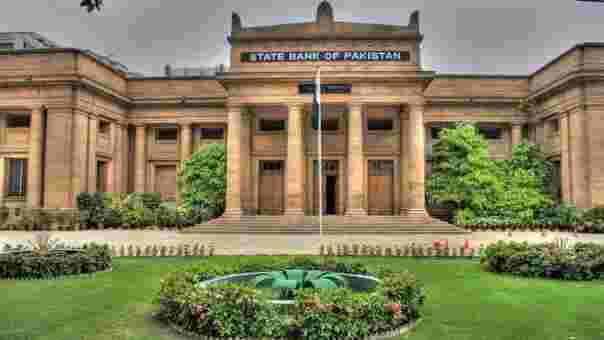
KARACHI, March 9, 2026: The State Bank of Pakistan (SBP) on Monday announced that it will keep the benchmark key policy rate unchanged at 10.50%, citing a significant increase in risks to the country’s macroeconomic outlook amid global geopolitical uncertainties.
The Monetary Policy Committee (MPC), in its latest meeting, noted that while incoming economic data largely aligns with previous projections, the outbreak of conflict in the Middle East has added uncertainty to Pakistan’s economic trajectory. The escalation has led to surging global fuel prices, higher freight and insurance costs, and disruptions in cross-border trade and travel. The MPC emphasized that the intensity and duration of the conflict will directly influence domestic economic conditions.
Key Economic Highlights
Real Sector: Economic activity continues to strengthen with positive indicators in auto sales, cement dispatches, electricity generation, and POL sales. Policy measures such as reduced Cash Reserve Requirements (CRR) and lower markup rates for exporters have supported the industrial sector. Wheat sowing targets in agriculture are largely met, and favorable input conditions are expected to sustain growth. The MPC projects real GDP growth to remain between 3.75–4.75% for FY26, though geopolitical risks may impact outcomes.
External Sector: Pakistan’s current account recorded a $121 million surplus in January 2026, helping contain the July–January deficit to $1.1 billion. Exports and remittances stabilized while imports declined. SBP continues FX purchases to build reserves, targeting $18 billion by June 2026.
Fiscal Sector: Fiscal consolidation continues with a surplus and contained expenditures, though tax collection remains below target, emphasizing the need for structural reforms and base-broadening measures.
Money & Credit: Broad money (M2) growth declined to 16%, while private sector credit expanded by Rs790 billion, supporting investments in textiles, trade, and chemicals. Currency in circulation rose, with deposits slightly declining.
Inflation: Headline inflation rose to 7% in February, with core inflation at 7.6%, influenced by energy price adjustments and phased-out food price lows. MPC notes that inflation may remain above 7% in the coming months, with risks from geopolitical developments and volatile food and energy prices.
The MPC reaffirmed its commitment to price stability, stressing the importance of structural reforms, prudent monetary policy, and fiscal consolidation to enhance economic resilience against external shocks.
Key SBP Macroeconomic Indicators – March 9, 2026
| Indicator | Latest Data / Update | Notes / Outlook |
| Policy Rate | 10.50% | Unchanged amid rising macroeconomic risks |
| Headline Inflation (Feb 2026) | 7.0% y/y | Core inflation at 7.6%; expected to remain above 7% |
| Real GDP Growth FY26 | 3.75–4.75% | Supported by industrial & agriculture activity; risks from geopolitics |
| Current Account (Jan 2026) | $121 million surplus | July–Jan FY26 deficit contained to $1.1B; remittances stabilized |
| FX Reserves | $16.3B (Feb 27) | SBP continues interbank FX purchases; target $18B by June 2026 |
| Broad Money (M2) Growth | 16.0% | Decline due to lower budgetary borrowing; private sector credit expanded Rs790B |
| Large-Scale Manufacturing (LSM) | +0.4% y/y Dec 2025 | Cumulative growth 4.8% Jul–Dec FY26 |
| FBR Tax Collection (Jul–Feb FY26) | +10.6% | Below target; base-broadening measures needed |
| Geopolitical Risk Factor | Middle East conflict | Driving higher fuel costs, supply chain disruptions, inflation risks |