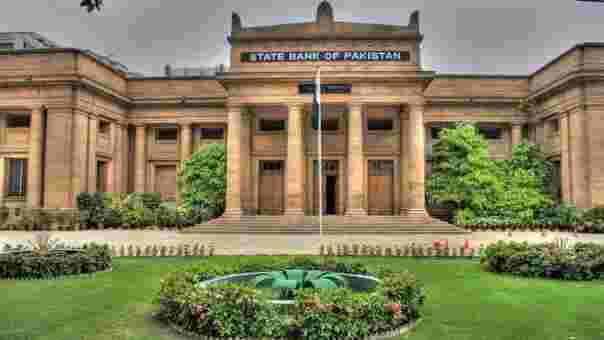
Islamabad, March 27, 2026 – The ongoing conflict in the Middle East is expected to put significant pressure on Pakistan’s trade balance and inflation, according to the State Bank of Pakistan. The warning came in the minutes of the Monetary Policy Committee (MPC) meeting, reflecting the central bank’s concerns over rising energy costs and their impact on the economy.
The SBP noted that since the last MPC meeting, global oil and liquefied natural gas (LNG) prices have surged by 28.1% and 38%, respectively, due to supply disruptions and challenges to shipping routes in the region. These increases have negatively affected Pakistan’s Terms of Trade (ToT), heightening the risk of inflationary pressures.
In response, the MPC opted to keep the benchmark policy rate at 10.5%, a move aligned with market expectations amid geopolitical uncertainty. While discussing the external sector outlook, SBP staff highlighted that higher global oil prices and rising freight costs could worsen Pakistan’s energy import bill and services account deficit, while regional trade disruptions may put pressure on exports.
Despite these challenges, workers’ remittances are expected to remain resilient, particularly due to seasonal Eid inflows. The SBP projects that the current account deficit for FY26 will likely remain within 0–1% of GDP, with foreign exchange reserves expected to reach $18 billion by June 2026.
On the inflation front, the SBP warned of upward pressures due to the surge in global energy costs, increased freight and insurance charges, and low-base effects from electricity tariffs. However, partially offsetting factors include better supply conditions for key food items and promising agricultural output for the Rabi season. Inflation is expected to remain above 7% in the remaining months of FY26, with considerable uncertainty tied to commodity price volatility, domestic energy tariffs, and geopolitical developments.
The MPC decision to maintain the policy rate was approved by eight out of ten members, with two members voting for a 50-basis-point increase, highlighting a cautious yet vigilant approach to balancing growth and price stability amid rising global risks.
This development underscores how geopolitical tensions abroad can have immediate and profound effects on Pakistan’s macroeconomic stability, trade, and inflationary dynamics.