Islamabad, June 30, 2024 – Pakistan President Asif Ali Zardari on Sunday approved the heavily tax-laden Budget 2024-25, set to come into effect from July 1. The budget, amounting to Rs18.877 trillion, aims to stabilize the economy and secure a new bailout from the International Monetary Fund (IMF).
(more…)Tag: Finance Bill 2024
-
Government Introduces Separate Tax Regime for Property Sale
Karachi, June 29, 2024 – The government of Pakistan has introduced a separate tax regime for income tax on property sales through the amended Finance Bill, 2024.
(more…) -

PVMA Threatens Industry Closure Over Tax Inequity
KARACHI: The Pakistan Vanaspati Manufacturers Association (PVMA) has threatened a nationwide closure of factories if the federal government does not withdraw tax concessions granted to ghee factories in the Federally Administered Tribal Areas (FATA) and the Provincially Administered Tribal Areas (PATA).
(more…) -
Pakistan Puts More Tax Burden on 2024-25 Budget Approval
Pakistan has intensified its fiscal measures by increasing the tax burden on the nation as it seeks approval for the 2024-25 budget. The government has added further amendments to the earlier proposed Finance Bill 2024, imposing additional taxes to meet revenue targets.
(more…) -
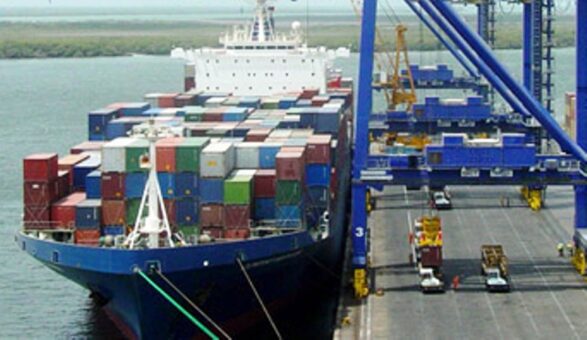
Pakistan Maintains Normal Tax Regime for Exporters
Islamabad, June 28, 2024 – National Assembly of Pakistan on Friday passed the 2024-25 budget, maintaining a normal tax regime for exporters despite significant criticism.
(more…) -
National Assembly Passes 2024-25 Budget
Islamabad, June 28, 2024 – The National Assembly on Friday approved the budget for fiscal year 2024-25, presented by the ruling Pakistan Muslim League-Nawaz (PML-N).
(more…) -

Exporters Tax Regime in Limbo Amid IMF Negotiations
Karachi, June 27, 2024 – The government of Pakistan remains undecided on the implementation of the new normal tax regime for exporters, set to begin on July 1, 2024, amidst considerable opposition from the sector, sources revealed on Thursday.
(more…) -
FBR Committee Proposes 30% Tax on Non-Filers’ Bank Deposits
Islamabad: The high-powered budget anomaly committee constituted by the Federal Board of Revenue (FBR) has proposed a 30 percent tax on bank deposits of non-filers.
(more…) -
New Property Tax Rates: FBR Explains Benefits of Filing on Time
Islamabad, June 24, 2024 – The Federal Board of Revenue (FBR) has provided a detailed explanation of the new property tax rates introduced through the Finance Bill 2024.
(more…) -
Senate Estimates Budget Measures to Fuel Inflation by 10%
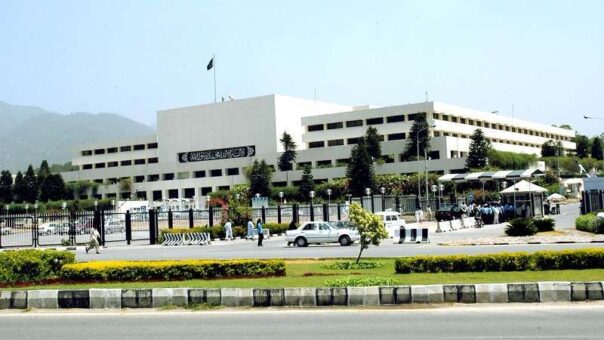
ISLAMABAD, June 22, 2024 – The Senate Standing Committee on Finance has projected that the 2024-25 budget measures will lead to a 10 percent inflation increase next year. This estimation was presented by the committee chairman, Senator Saleem Mandviwalla, during a Saturday meeting that sharply criticized new tax proposals on essential goods.
In his remarks, Senator Mandviwalla highlighted the committee’s grave concerns regarding the government’s approach to taxation, especially the proposed taxes on fundamental food items, including packed and baby milk. He announced that the Senate committee would submit its recommendations to the Senate on Monday, emphasizing that the proposed fiscal policies would significantly exacerbate inflation.
Tax Proposals Under Fire
The Senate committee unanimously rejected an 18 percent sales tax on baby milk, voicing strong opposition to the measure in light of the country’s high stunting rate, which affects 40 percent of children. Anusha Rehman of the Pakistan Muslim League-Nawaz (PML-N) condemned the lack of prior consultation on increasing sales tax on milk, labeling it as an insensitive decision.
Supporting Rehman’s stance, Sherry Rehman of the Pakistan People’s Party (PPP) and Senator Farooq H Naek criticized the government’s plan to impose a 10 percent sales tax on basic food items such as potatoes and onions. Naek ominously remarked that the situation might deteriorate to the point where even burial plots could be taxed.
Questioning the Fairness and Practicality
The Senate committee’s dissatisfaction was palpable when Anusha Rehman questioned Federal Board of Revenue (FBR) officials about the prices of open milk and chicken. The officials’ ignorance of these prices drew criticism, with Rehman urging them to personally shop for these items to better understand the financial burdens faced by ordinary citizens.
In defense, FBR officials stated that implementing a 10 percent sales tax on stationery items and an 18 percent sales tax on milk and baby milk was necessary to meet the International Monetary Fund (IMF) preconditions, which aim to eliminate all tax exemptions. They warned that granting tax relief on these items would reduce tax collection by Rs107 billion.
Senate Committee Rejections and Recommendations
Despite the FBR’s justifications, the Senate committee firmly rejected the proposed 10 percent sales tax on locally manufactured stationery and the increase from five to 10 percent on computers. Anusha Rehman questioned the inconsistency of adhering strictly to IMF mandates while still offering tax exemptions to the erstwhile Federally Administered Tribal Areas (FATA) and Provincially Administered Tribal Areas (PATA).
In response, FBR officials argued that the three percent population in these merged districts enjoys Rs92 billion in tax benefits, a policy they oppose but one that the cabinet extends annually. However, Zeeshan Khanzada suggested continuing these exemptions until local industries become fully operational, a proposal the committee supported.
Sales Tax on Charitable Hospitals and Other Items
The committee also debated ending sales tax exemptions for charitable hospitals. FBR officials contended that while government hospitals pay sales tax, charitable ones do not, despite importing machinery and equipment from abroad. Farooq H Naek criticized the practice, noting that charitable hospital doctors often charge full fees for laboratory and operation services.
Faisal Vawda proposed reducing a new one percent tax on overseas property to 0.4 percent, arguing that a lower rate would encourage property declarations. Senator Mandviwalla echoed this sentiment, emphasizing the need for a balanced approach.
The committee approved a 10 percent sales tax on needles and poultry feed, and a 15 percent sales tax on LPG. However, they opposed the proposal to double the sales tax on computers from five to 10 percent. They were also informed that all drugs registered under the Drug Act would be taxed starting July 1.
Concerns Over Leadership Absence
The meeting ended with expressions of serious concern over the absence of the Finance Minister, Minister of State for Finance, and the Finance Secretary. Chairman Mandviwalla directed that the Finance Minister be informed of his expected presence at such critical discussions.
As the Senate prepares to review these recommendations, the debate over the budget measures continues to underscore the balancing act between fiscal responsibility and public welfare. The final decisions will significantly impact the economic landscape and the everyday lives of citizens across Pakistan.