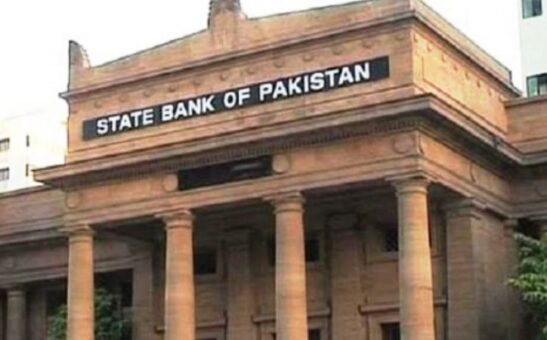
KARACHI: State Bank of Pakistan (SBP) has updated the list of panel of chartered accountancy firms for conducting audit of banking companies.
The SBP through a circular issued on Friday informed that “RSM Avais Hyder Liaquat Nauman, Chartered Accountants’, listed in the Category ‘B’ of SBP’s Panel of Auditors is being upgraded to the Category ‘A’ of the panel.
The central bank also enlisted two chartered accountancy firms in the category ‘C’ of the SBP’s Panel of auditors with an immediate effect:
J.A.S.B & Associates, Chartered Accountants 1104, Uni Tower, I.I. Chundrigar Road, Karachi. Phone: 021-32468154-55 Web: www.jasb-associates.com
Mazars M.F. & Co., Chartered Accountants 3rd Floor, 44-C, Badar Commercial, Street 10, DHA Phase V, Karachi. Phone: 021-35342801-06, Web: www.mazars.pk
The SBP issued the updated list of chartered accountancy firms:
Category ‘A”
Audit Firms in Category “A” are eligible to conduct audit of all Banks and DFIs
A1. A.F. Ferguson & Co. State Life Building No. 1/C, I.I. Chundrigar Road, Karachi. Tel: +92 (021) 32426711-15, Fax: +92 (021) 32415007, Web: www.affco.com.pk
A2. Baker Tilly Mehmood Idrees Qamar, 4th Floor, Central Hotel Building, Civil Lines, Mereweather Road, Karachi. Tel: +92 (021) 35644872-77, Fax: +92 (021) 35694573 Email: [email protected], Web: www.bakertillymiq.com.
A3. BDO Ebrahim & Co. 2nd Floor, Block ‘C’ Lakson Square, Building No. 1, Sarwar Shaheed Road, Karachi. Tel: +92 (021) 35683030 Fax: +92 (021) 35684239 Email: [email protected] Web: www.bdo.com.pk
A4. Crowe Hussain Chaudhury & Co. 25-E, Main Market, Gulberg II, Lahore. Tel: +92 (042) 37759223-5 Fax: +92 (042) 35759226 Email: [email protected] Web: www.crowe.pk
A5. EY Ford Rhodes, 6th Floor, Progressive Plaza, Beaumont Road, Karachi. Tel: +92 (021) 111-113-937 Fax: +92 (021) 35681965 E. mail: [email protected] Web: www.ey.com
A6. Grant Thornton Anjum Rahman, 1st & 3rd Floor, Modern Motors House, Beaumont Road, Karachi. Tel: +92 (021) 35672951-56 Fax: +92 (021) 35688834 Email: [email protected] Web: www.gtpak.com
A7. Ilyas Saeed & Co. A-4, Sea Breeze Homes, Shershah Block, New Garden Town, Lahore. Tel: +92 (042) 35861852, 35868849 Fax: +92 (042) 35856145 Email: [email protected] Web: www.ilyassaeed.com
A8. KPMG Taseer Hadi & Co. 1st Floor, Sheikh Sultan Trust Building No. 2, Beaumount Road, Karachi. Tel: +92 (021) 35685847 Fax: +92 (021) 35685095 Email: [email protected] Web: www.kpmg.com.pk
A9. Kreston Hyder Bhimji & Co. Suite No. 1601, 16th Floor, Kashif Centre, Main Shahrah-e-Faisal, Karachi. Tel: +92 (021) 35640050-52 Fax: +92 (021) 35640053 Email: [email protected] Web: www.krestonhb.com
A10. Muniff Ziauddin & Co. F/17/3, Business Executive Centre, Block No. 8, Clifton, Karachi. Tel: +92 (021) 35375127-28, 35872283 Fax: +92 (021) 35820325 Email: [email protected] Web: www.mzco.com.pk
A11. Naveed Zafar Ashfaq Jaffery & Co. 1st Floor, Modern Motors House, Beaumount Road, Karachi. Tel: +92 (021) 111-774-422, 35671909 Fax: (021) 5210626 Email: [email protected] Web: www.nzaj.com.pk
A12. Rahman Sarfaraz Rahim Iqbal Rafiq, Rahman Sarfaraz House, 54-P, Gulberg II, Lahore. Tel: +92 (042) 35875965-67 Fax: +92 (042) 35758621 Email: [email protected] Web: www.rsrir.com
A13. Riaz Ahmad & Co. 10-B, Saint Mary Park, Main Boulevard, Gulberg III, Lahore. Tel: +92 (042) 35718137-39 Fax: +92 (042) 35718136 Email: [email protected] Web: www.racopk.com
A14. RSM Avais Hyder Liaquat Nauman, Suite No. 407, Progressive Plaza, Beaumont Road, Karachi. Tel: +92 (021) 35655975-76 Fax: +92 (021) 35655977 Email: [email protected] Web: www.rsm.global/pakistan
A15. Yousuf Adil, Cavish Court, A-35, Block 7 & 8, K.C.H.S.U. Shahrah-e-Faisal, Karachi. Tel: +92 (021) 34546494-97 Fax: +92(021) 34541314 Email: [email protected] Web: www.yousufadil.com
Category ‘B’
Audit Firms in Category “B” are eligible to conduct audit of Banks and DFIs having assets up to Rupees 100 billion or branches up to 160.
B1. Amin Mudassar & Co. 4th Floor, IEP Building, 97-B/D-1, Main Boulevard, Gulberg III, Lahore. Tel: +92 (042) 35717261-62 Fax: +92 (042) 35717263 Email: [email protected]
B2. Reanda Haroon Zakaria & Co. M1-M4, Mezzanine Floor, Progressive Plaza, Beaumont Road, Karachi. Tel: +92 (021) 35674741-44 Fax: +92 (021) 35674745 Email: [email protected] Web: www.hzco.com.pk
B3. HLB Ijaz Tabussum & Co. 303, Sawan Road, G-10/1, Islamabad. Tel: +92 (051) 32354801-03 Fax: +92 (051) 32354800 Email: [email protected]; [email protected]; Web: www.hlbitc.com
B4. IECnet S.K.S.S.S. Suite No. 209, Parsa Tower, PECHS Block 6, Main Shahrah-e-Faisal, Karachi. Tel: +92 (021) 34150811-13 Fax: +92 (021) 34150814 Email: [email protected] Web: www.iecnet.com.pk
B5. Mudassar Ehtisham & Co. 50/2, Lawrence Road, Lahore. Tel: +92 (042) 36370215, 35466618 Fax: +92 (042) 36363614 Email: [email protected] Web: www.mudassarehtisham.com
B6. Mushtaq & Co. 407, Commerce Centre, Maulana Hasrat Mohani Road, Karachi. Tel: +92 (021) 32638521-24 Email: [email protected]
B7. Nasir Javaid Maqsood Imran, Office No. 807, 8th Floor, Plot No. 11/2, Q.M. House, Ellander Road, Opp. Shaheen Complex, Off. I.I. Chundrigar Road, Karachi Tel: +92 (021) 32212382-83, 32211515-16 Fax: +92 (021) 32211515 Email: [email protected] Website: www.njmi.net
B8 Parker Randall – A.J.S. 6-C, 2nd Floor, ST Plaza, Kohinoor Town, College Road, Faisalabad. Tel: +92 (021) 32621703-04 Fax: +92 (021) 32621701 Email: [email protected] Web: www.parkerrandallajs.pk
B9. PKF F.R.A.N.T.S. 16/II, ‘N’ Lane, Commercial Avenue, Phase IV, D.H.A, Karachi. Tel: +92 (021) 35315275 Fax: +92 (021) 35315276 Email: [email protected] Website: www.pkf.com.pk
B10 Riaz Ahmad Saqib Gohar & Co. 5-Nasim, C.H.S. Major Nazir Bhatti Road, Off Shaheed-e-Millat Road, Karachi. Tel: +92 (021) 34945427, 34946112 Fax: +92 (021) 34932629 Email: [email protected] Web: www.rasgco.com
B11. ShineWing Hameed Chaudhri & Co. H.M. House No. 07, Bank Square, Off Shahrah-e-Quaid-e-Azam, Lahore. Tel: +92 (042) 37235084-87 Fax: +92 (042) 37235083 Email: [email protected] Website: www.hccpk.com
B12. Suriya Nauman Rehan & Co. House No. 02, Street No. 02, F-7/3, Islamabad. Tel: +92 (051) 32610931-32 Fax: +92 (051) 32610954 Email: [email protected] Web: www.nrcca.pk
B13. Tariq Abdul Ghani Maqbool & Co. 173-W, Block-2, P.E.C.H.S, Karachi Phone: +92 (021) 34322582-83, (021) 34322606-07 Fax: +92 (021) 34522492 Email: [email protected] Website: www.tagm.co
B14. UHY Hassan Naeem & Co. 193-A, Shah Jamal, Lahore. Tel: +92 (042) 35403550-51, 35403588 Fax: +92 (042) 35403599 Email: [email protected] Web: www.uhy-hnco.com
B15. Zahid Jamil & Co. 1st Floor, Al-Jamil, 7-Madina Town Ext, Kohinoor Chowk, Off. Jaranwala Road, Faisalabad. Tel: +92 (041) 38725065-68 Fax: +92 (041) 38725070 Email: [email protected] Web: www.zahidjamilco.com
Category ‘C’
Audit Firms in Category “C” are eligible to conduct audit of banks and DFIs having assets up to Rupees 15 billion or branches up to 30.
C1. Fazal Mahmood & Co. 147 – Shadman I, Lahore. Tel: +92 (042) 37426771-73 Fax: +92 (042) 37426774 Email: [email protected] Web: www.fmc.com.pk
C2. Feroze Sharif Tariq & Co. 4-N/4, Block No. 06, P.E.C.H.S. Karachi. Tel: +92 (021) 34540891, 34542607 Fax: +92 (021) 34540891 Email: [email protected]
C3. H.A.M.D & Co. 302, Land Mark Plaza, Mohammed Bin Qasim Road, Off I.I Chundrigar Road, Karachi. Tel: +92 (021) 32630651 Fax: +92 (021) 35872521 Email: [email protected]; [email protected]
C4. Ibrahim Shaikh & Co. 259-260 Panorama Centre, Fatima Jinnah Road, Saddar, Karachi. Tel: +92 (021) 35210577, 35671853 Fax: +92 (021) 35676591 Email: [email protected]
C5. J.A.S.B & Associates 1104, Uni Tower, I.I. Chundrigar Road, Karachi. Tel: +92 (021) 32468154-55 Fax: +92 (021) 32468157 Email: [email protected] Web: www.jasb-associates.com
C6. Junaidy Shoaib Asad 1/6-P, Block No. 06, P.E.C.H.S, Mohtarma Laeeq Begum Road, Off Shahra-e-Faisal. Karachi. Tel: +92 (021) 34371910-13 Fax: +92 (021) 34371916 Email: [email protected] Web: www.jsa.com.pk
C7. H.Y.K & Co. SKP House, 321 Upper Mall, Lahore. Tel: +92 (042) 111-772-000, 35789330-1 Fax: +92 (042) 35789182 Email: [email protected] Web: www.hyk.com.pk
C8. Khalid Majid Rehman & Co. 7-A, Street No. 65, F-8/3, Islamabad. Tel: +92 (051) 32287713-17 Fax: +92 (051) 32287710 Email: [email protected] Web: www.kmr.com.pk
C9. Mazars M.F. & Co. 44-C, 3rd Floor, Badar Commercial, Street 10, Phase V, DHA, Karachi. Tel: +92 (021) 35342801-06 Web: www.mazars.pk
C10. Qavi & Co. Suites No. 717 & 718, Caesars Tower, Shahrah-e-Faisal, Karachi. Tel: +92 (021) 32791966-68Fax: +92 (021) 32791969 Email: [email protected] Web: www.qaviandco.com
C11. Rafaqat Mansha Mohsin Dossani Masoom & Co. Suite No. 113, 3rd Floor, Hafeez Centre, A/34, K.C.H.S, Block No. 07 & 08, Shahrah-e-Faisal, Karachi. Tel: +92 (021) 34392361-62 Fax: +92 (021) 34320693 Email: [email protected] Web: www.mmdk.com.pk
C12. Sarwars, Office No. 12 & 14, 2nd Floor, Lahore Centre, 77-D, Main Boulevard, Gulberg III, Lahore. Tel: +92 (042) 35782920-22 Fax: +92 (042) 35773825 Email: [email protected] Web: www.saewarsca.com
C13. S. M. Suhail & Co. Suite No. 1001-1014, 10th Floor, Uni Centre, I.I. Chundrigar Road, Karachi Tel: +92 (021) 32414057, 32414163 Fax: +92 (021) 32416288 Email: [email protected], Web: www.smsco.pk
C14. Uzair Hammad Faisal & Co. 37- Main Gulberg, Lahore. Tel: +92 (042) 35877470, 35879310 Email: [email protected] Web: www.uhf.com.pk