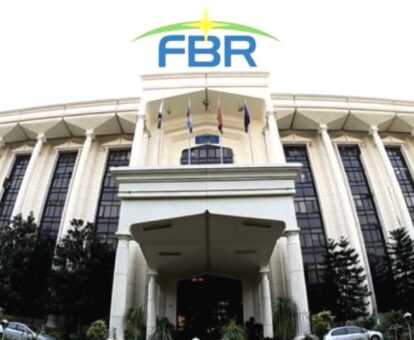
Sales tax defaulters should be aware that the Federal Board of Revenue (FBR) has the authority to attach and sell movable or immovable property to recover unpaid sales tax under Rule 80 of the Sales Tax Rules, 2006 (updated for 2026). Knowing what can—and cannot—be sold is crucial for compliance and planning.
📌 Rule 80: Property Liable to Attachment and Sale
According to Rule 80, the following properties are subject to attachment and sale by FBR:
• Lands, houses, and other buildings
• Goods and merchandise
• Bank notes, Government securities, bonds, and other money securities
• Cheques, bills of exchange, hundies, and promissory notes
• Shares in corporations
• Any other saleable property, whether movable or immovable, that the defaulter owns or controls, directly or through another person in trust
🔹 Key point: FBR can attach property even if it is held in the name of another person, provided the defaulter exercises disposing power over it.
⚠ Property Exempt from Attachment
Rule 80 also provides protection for certain essential items and rights:
1. Personal and household items
o Necessary clothing, cooking vessels, beds, bedding, and personal ornaments that cannot be sold due to religious customs.
2. Tools for livelihood
o Artisan tools, agricultural implements, cattle, and seed grain necessary for earning a livelihood.
3. Pensions and stipends
o Government or notified pensions, gratuities, political pensions.
4. Wages of laborers and domestic servants
5. Salary protections
o First 100 rupees of salary and half of the remainder are exempt.
6. Provident Fund deposits
o Compulsory deposits or other funds exempted by law.
7. Government allowances
o Certain allowances or subsistence grants for suspended government employees, as notified officially.
8. Contingent or future interests
o Expectancy of succession or rights to future maintenance.
Check What FBR Can Attach from Your Assets
• Enter property type, value, and ownership to see if it is liable for attachment or exempt.
FAQs
• Q1: Can FBR sell my house to recover tax?
A: Yes, if it is not protected by exemptions under Rule 80.
• Q2: Are my personal savings in a provident fund safe?
A: Yes, if the fund is declared exempt under the Provident Funds Act.
• Q3: Can tools for my livelihood be seized?
A: No, necessary artisan tools, agricultural implements, and seed grain are protected.
✅ Tips to Protect Exempt Property
1. Maintain accurate asset records – Ensure personal and business property is clearly documented.
2. Separate essential property from business assets – Avoid confusion during recovery proceedings.
3. Respond promptly to FBR notices – Ignoring STR-18 or related notices may put non-exempt property at risk.
4. Consult a tax professional – Professional guidance can help safeguard exempt property and plan payments.
Disclaimer: This article is for general information only and is based on Rule 80 of the Sales Tax Rules, 2006 (updated 2026). It does not constitute legal or financial advice. Businesses and individuals should consult a qualified tax professional or FBR for guidance specific to their situation. The author and publisher are not responsible for any actions taken based on this content.