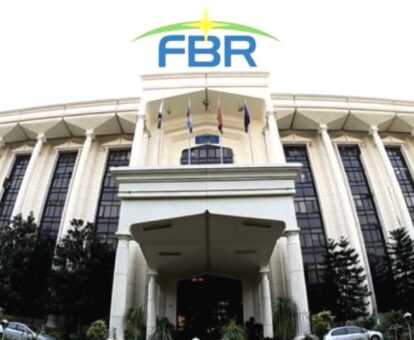
Islamabad, January 30, 2026 — The Federal Tax Ombudsman (FTO) has ruled that the Federal Board of Revenue’s (FBR) practice of limiting the adjustment of income tax refunds against a taxpayer’s liability is unlawful and amounts to maladministration
In a consolidated order issued in multiple complaints filed by a stock brokerage firm, the FTO observed that FBR’s internal system checks restricting refund adjustments to small amounts—despite larger refunds being lawfully due—are contrary to the Income Tax Ordinance, 2001, and violate taxpayers’ rights.
Case background
The complainant, the stock brokerage firm registered with the Pakistan Stock Exchange, had refundable income tax amounts totaling Rs7.86 million for various tax years from 2009 to 2024. The company requested that these refunds be adjusted against its admitted tax liability for Tax Year 2025. However, the FBR’s IRIS system did not allow adjustment beyond a prescribed internal limit, forcing the taxpayer to repeatedly pay taxes from its own resources while refunds remained pending.
The FBR helpline informed the taxpayer that the system only allows automatic adjustments up to Rs100,000, and in some cases up to a maximum of Rs200,000, subject to conditions. The FTO noted that such administrative instructions have no legal backing if they override statutory provisions.
FTO’s findings
The Ombudsman found that refund applications filed under Section 170 of the Income Tax Ordinance, 2001 were not processed within the mandatory 60-day period. Failure to decide these applications and withholding refunds for years constituted negligence, delay, and inefficiency, which fall squarely under “maladministration” as defined in the Federal Tax Ombudsman Ordinance, 2000.
The FTO categorically held that any internal FBR instruction that circumvents the law and restricts lawful refund adjustments is arbitrary, unreasonable, and unlawful.
Recommendations
The FTO directed FBR to:
• Process or adjust all pending refunds for the relevant tax years against the taxpayer’s admitted liability for Tax Year 2025, strictly in accordance with law.
• Remove restrictive system checks in IRIS and devise a mechanism to automatically carry forward genuine refunds for adjustment in subsequent tax years.
Wider implications
Tax experts believe the ruling could have far-reaching implications, as many taxpayers face similar issues where refunds are delayed or artificially capped by system limitations. The decision reinforces that administrative convenience cannot override statutory rights and may prompt broader reforms in FBR’s refund processing system.