Tag: Pakistan

  • IMF outlines actions for Pakistan to release $1.059bn

    IMF outlines actions for Pakistan to release $1.059bn

    ISLAMABAD: The International Monetary Fund (IMF) on Monday outlined prior actions for Pakistan for the release f $1.059 billion under Extended Fund Facility (EFF).

    The IMF stated that its mission led Ernesto Ramirez Rigo held virtual discussions during October 4–November 18, 2021 in the context of the sixth review of the authorities’ reform program supported by the IMF’s Extended Fund Facility (EFF).

    The IMF said that it had reached a staff level agreement with the Pakistan authorities on policies and reforms needed to complete the sixth review under the EFF.

    The agreement is subject to approval by the Executive Board, following the implementation of prior actions, notably on fiscal and institutional reforms.

    Completion of the review would make available SDR 750 million (about US$1,059 million), bringing total disbursements under the EFF to about US$3,027 million and helping unlock significant funding from bilateral and multilateral partners.

    An additional SDR 1,015.5 million (about US$1,386 million) was disbursed in April 2020 to help Pakistan address the economic impact of the COVID-19 shock.

    Despite a difficult environment, progress continues to be made in the implementation of the EFF-supported program. All quantitative performance criteria (PCs) for end-June were met with wide margins, except for that on the primary budget deficit.

    Notable achievements on the structural front include the finalization of the National Socio-Economic Registry (NSER) update, parliamentary adoption of the National Electric Power Regulatory Authority (NEPRA) Act Amendments, notification of all pending quarterly power tariff adjustments, and payment of the first tranche of outstanding arrears to independent power producers (IPPs) to unlock lower capacity payments fixed in renegotiated power purchase agreements (PPAs).

    The authorities have also made progress in improving the anti-money laundering and combating the financing of terrorism (AML/CFT) framework, although some additional time is needed to strengthen its effectiveness.

    On the macroeconomic front, available data suggests that a strong economic recovery has gained hold, benefiting from the authorities’ multifaceted policy response to the COVID-19 pandemic that has helped contain its human and macroeconomic ramifications.

    The Federal Board of Revenue’s (FBR) tax revenue collection has been strong. At the same time, external pressures have started to emerge: a widening of the current account deficit and depreciation pressures on the exchange rate—mainly reflecting the compound effects of the stronger economic activity, an expansionary macroeconomic policy mix, and higher international commodity prices.

    In response, the authorities have started to adjust policies, including by gradually unwinding COVID-related stimulus measures.

    The State Bank of Pakistan (SBP) has also taken the right steps by starting to reverse the accommodative monetary policy stance, strengthening some macroprudential measures to contain consumer credit growth, and providing forward guidance.

    In addition, the government plans to introduce a package of fiscal measures targeting a small reduction of the primary deficit with respect to last fiscal year based on: (i) high-quality revenue measures to make the tax system simpler and fairer (including through the adoption of reforms to the GST system); and (ii) prudent spending restraint, while fully protecting social spending.

    These policies will help safeguard the positive near-term outlook, with growth projected to reach, or exceed, 4 percent in FY 2022 and 4.5 percent the fiscal year after that.

    However, inflation remains high, although it should start to see a declining trend once the pass-through of rupee depreciation is absorbed, and temporary supply-side constraints and demand-side pressures dissipate.

    However, the current account is expected to widen this fiscal year despite some export growth, reflecting the rising import demand and international commodity prices.

    However, this economic outlook continues to face elevated domestic and external risks, while structural economic challenges persist.

    In this regard, and looking beyond the near term, discussions also focused on policies to help Pakistan achieve sustainable and resilient growth to the benefit of all Pakistanis.

    On the fiscal policy front, staying on course on achieving small primary surpluses remains critical to reduce high public debt and fiscal vulnerabilities. Continued efforts to broaden the tax base by removing remaining preferential tax treatments and exemptions will help generate much-needed resources to scale up critical social and development spending.

    Monetary policy needs to remain focused on curbing inflation, preserving exchange rate flexibility, and strengthening international reserves.

    As economic stability becomes entrenched and the independence of the SBP is strengthened with the approval of the SBP Act Amendments, the central bank should gradually advance the preparatory work to formally adopt an inflation targeting (IT) regime in the medium term, underpinned by a forward-looking and interest-rate-focused operational framework.

    While some key elements of IT are already in place, including a medium-term inflation objective and prohibition of monetary financing, additional efforts are needed, to modernize the SBP’s operational framework as well as to strengthen monetary transmission and communication.

    Advancing the strategy for the electricity sector reforms, agreed with international partners, is important to bring the sector to financial viability, and tackle its adverse spillovers on the budget, financial sector, and real economy. In this regard, steadfast implementation of the Circular Debt Management Plan (CDMP) will help guide the planned management improvements, cost reductions, timely alignment of tariffs with cost recovery levels, and better targeting of subsidies to the most vulnerable.

    Substantially lowering supply costs, however, will require a modern electricity policy that: (i) ensures that PPAs do not impose a heavy burden on end-consumers; (ii) tackles the poor and expensive generation mix, including a wider use of renewables; and (iii) introduces more competition over the medium term.

    Strengthening the medium-term outlook, including by unlocking sustainable and resilient growth, creating jobs, and improving social outcomes, hinges on ambitious efforts to remove structural impediments and facilitate the structural transformation of the economy. To this end, increased focus is needed on measures to strengthen economic productivity, investment, and private sector development, as well as to address the challenges posed by climate change:

    Improving the governance, transparency, and efficiency of the state-owned enterprise (SOE) sector: Putting Pakistan’s public finances on a sustainable path—while leveling the playing field of firms across the economy and improving the provision of services—requires following through with the current reform agenda, especially with the: (i) creation of a modern legal framework; (ii) better sectoral oversight by the state, supported by regular audits, especially of the largest SOEs; and (iii) reduction of the footprint of the state in the economy, based on the recently completed comprehensive stocktaking.

    Fostering the business environment, governance, and the control of corruption:The business climate would benefit from simplifying procedures for starting a business, approving FDI, preparing trade documentation, and paying taxes; and the empowerment of people and production of more complex goods from investing more in education and human capital. Ensuring a level playing field and the rule of law also remains essential, mainly by bolstering the effectiveness of existing anti-corruption institutions and accountability of high-level public officials and by completing the much-advanced action plan on AML/CFT.

    Boosting competitiveness, and exports: To this end, key objectives include: (i) implementing the approved national tariff policy, based on time-bound strategic protection; (ii) negotiating new free trade agreements; and (iii) facilitating the integration in global supply chains by improving firms’ reliability and product quality, and registering firms with all necessary entities for tax and business purposes.

    Promoting financial deepening and inclusion: To better channel savings toward productive investment, improve the allocation of resources, and diversify risks, key policies remain: (i) entrenching macroeconomic stability; (ii) strengthening institutional and regulatory frameworks; (iii) creating conditions that allow for a greater role of private credit; and (iv) boosting financial coverage of underserved segments of the population and SMEs.

    Stepping up to climate change: Worldwide, Pakistan ranks both among the top 10 countries with the largest damages from climate-related disasters and top 20 countries with the largest greenhouse gas (GHG) emissions. Critical next climate policy steps are: (i) accelerating the finalization of the authorities’ National Adaptation Plan (NAP); and (ii) implementing an adequate set of measures to meet the COP26 Nationally Determined Contribution (NDC) targets and securing sufficient financing, including from international partners.
  • Pakistan, Iran barter trade to start in a month

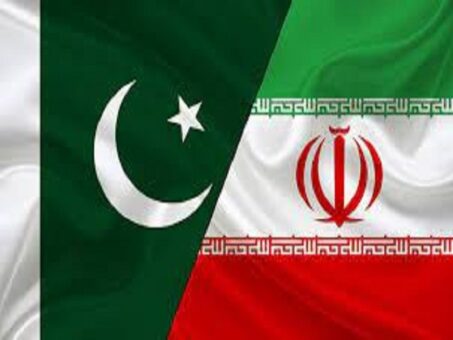
    Pakistan, Iran barter trade to start in a month

    ISLAMABAD: Pakistan and Iran have reached an agreement and barter trade between the two countries will start in a month, a top official said on Thursday.

    This was stated by the Commerce Secretary before the Standing Committee on Commerce of the Senate.

    To the question of Senator Fida Mohammad, the Commerce Secretary apprised the Standing Committee on Commerce, which met here at Parliament House on Thursday under the Chairmanship of Senator Zeeshan Khanzada, that being on the grey list had not any negative concussion on Pakistan’s exports.

    Due to the lack of banking channels with Iran, there exist some issues in trading with Tehran. The barter trade issue with Iran has been resolved, he informed.

    An agreement has been reached with Iran regarding barter trade, he added further. He said that barter trade with Iran would start in a month.

    Commerce Adviser, Razzaq Dawood briefed the Committee on GSP Plus status( Generalised Scheme of Preferences). He noted that Pakistan’s exports to Europe have reached 9 billion dollars.

    The Commerce Adviser informed the committee that the European Union (EU) was assuaged with Pakistan’s implementation of the GSP Plus terms.

    Pakistan had kowtowed with most of the 27 conventions. He underlined that Pakistan had already addressed issues like eradication of Child Labour, Freedom of Speech, Rights of journalists, Rights of Women, and others as per assigned indicators.

    He asserted that the EU asked for expanding the range of exports to European markets but exports to the EU have not inflated as they should have because of weaknesses of our exporters.

    While responding to a question asked by the Chairman Committee, Abdul Razzaq Dawood remarked that under GSP Plus, 66 per cent of Pakistan’s tariff lines were on zero duties. EU exports increased by 47 per cent, he said, adding that trade with the EU is in Pakistan’s interest.

    For maximum participation of all members and inclusive discussion, the detailed deliberation on GSP plus status and briefing by the Pakistan Cotton Standards Institute (PCSI) were recessed for the next meeting.

    The Commerce Adviser also lauded the role of the Senate Standing Committee on Commerce in passing the (Geographical Indications) GI Act.

    Apart from Senator Fida Mohammad, Senator Saleem Mandviwala, the commerce Adviser Abdul Razzaq Dawood, Secretary Commerce, Additional Secretary Commerce, and officials from Pakistan Cotton Standards Institute attended the meeting.

  • Documentary on ‘Buddhist heritage of Pakistan’ launched

    Documentary on ‘Buddhist heritage of Pakistan’ launched

    ‘Gandhara’ is a documentary jointly produced by the High Commission of the Islamic Republic of Pakistan in Sri Lanka and Siddhivinayak Cine Arts (Private) Limited with the support of and in coordination with the Ministry of Buddhasasana, Religious and Cultural Affairs.

    It takes the viewers on a visual journey along the Gandhara Buddhist heritage sites of Pakistan.

    The documentary will be launched on Tuesday at Temple Trees by His Excellency, Prime Mahinda Rajapaksa, in the presence of Venerable Buddhist monks, Cabinet and State Ministers, MPs, ambassadors of Buddhist countries, as well as business, tourism and media fraternity of Sri Lanka.

    One of the Tooth Relics of the Lord Buddha, discovered from the Gandhara region is preserved at Taxila Museum in Pakistan.

    It is the region where the Gandhara Buddhist civilization reached its pinnacle of glory from 1st century AD to the 7th century AD.

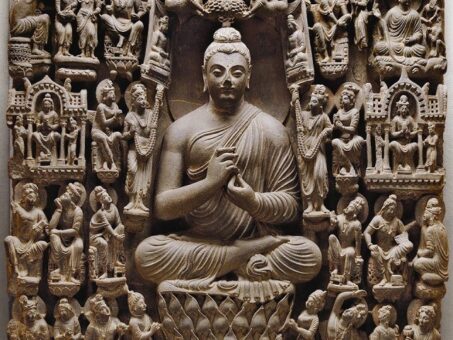
    The first anthropomorphic statue of Lord Buddha was created in the region now called Pakistan. Also known for one of the the world’s oldest Buddhist University, Thakshashila, Taxila in Pakistan is home to some of the most sacred Buddhist artifacts found during archeological excavations around the 12th century.

    A sapling from the sacred Bodhi Tree in Anuradhapura, gifted by the government of Sri Lanka to the government of Pakistan, also grows in the gardens of Taxila Museum.

    In order to present this heritage to the Buddhist world in general and Sri Lanka in particular, the idea of “Gandhara: The Buddhist Heritage of Pakistan” was conceived.

    Launched with the blessings of the Prime Minister and Minister of Buddha Sasana, Religious and Cultural Affairs, His Excellency, Mahinda Rajapaksa and the Prime Minister of Pakistan, His Excellency Imran Khan, this documentary will open up new avenues in religious tourism as well as strengthening cultural and people to people ties between the brotherly countries of Sri Lanka and Pakistan.

    With special permission from the Government of Pakistan, both local and foreign technicians including Director, Mateen Saherai & Production Controller Sajjad Mohommad (Gateway To Production, England) from England have contributed to this film.

    The film is based on a screenplay that explores the historical ruins and artifacts captured in a realistic way while also exploring background historical information.

    Ven. Agrahera Kassapa Thero is the Senior Adviser to the entire project. The concept and script has been prepared by the Project Consultant Director, Vidyajothi Prof. Nimal Silva. The film is co-produced by Siddhivinayak Cine Arts (Private) Limited, known for producing, marketing, distribution and exhibition of international films.

    The sound and movie editing is done by local artists. Ms. Kaushalya Wickramasinghe, the Chairperson of Siddhivinayak Cine Arts (Private) Limited mentioned that the film is expected to be screened in local cinemas as well as on local TV channels and abroad in collaboration with international organizations.

    Acting High Commissioner of Pakistan, Tanvir Ahmed said that “Gandhara” was conceptualized with the aim of bringing the peoples of Sri Lanka and Pakistan together through their shared history and heritage.

    Venerable Dr Kirindey Assaji Thero, Chief Incumbent of the Gangaramaya Temple while fondly recalling his visit to the Holy Buddhist Trail in Pakistan organized by the High Commission of Pakistan, gave his blessings for the success of the documentary and closer relations between the two countries.

    ‘Gandhara’ is a documentary jointly produced by the High Commission of the Islamic Republic of Pakistan in Sri Lanka and Siddhivinayak Cine Arts (Private) Limited with the support of and in coordination with the Ministry of Buddhasasana, Religious and Cultural Affairs.

    It takes the viewers on a visual journey along the Gandhara Buddhist heritage sites of Pakistan.

    The documentary will be launched on Tuesday at Temple Trees by His Excellency, Prime Mahinda Rajapaksa, in the presence of Venerable Buddhist monks, Cabinet and State Ministers, MPs, ambassadors of Buddhist countries, as well as business, tourism and media fraternity of Sri Lanka.

    One of the Tooth Relics of the Lord Buddha, discovered from the Gandhara region is preserved at Taxila Museum in Pakistan.

    It is the region where the Gandhara Buddhist civilization reached its pinnacle of glory from 1st century AD to the 7th century AD.

    The first anthropomorphic statue of Lord Buddha was created in the region now called Pakistan. Also known for one of the the world’s oldest Buddhist University, Thakshashila, Taxila in Pakistan is home to some of the most sacred Buddhist artifacts found during archeological excavations around the 12th century.

    A sapling from the sacred Bodhi Tree in Anuradhapura, gifted by the government of Sri Lanka to the government of Pakistan, also grows in the gardens of Taxila Museum.

    In order to present this heritage to the Buddhist world in general and Sri Lanka in particular, the idea of “Gandhara: The Buddhist Heritage of Pakistan” was conceived.

    Launched with the blessings of the Prime Minister and Minister of Buddha Sasana, Religious and Cultural Affairs, His Excellency, Mahinda Rajapaksa and the Prime Minister of Pakistan, His Excellency Imran Khan, this documentary will open up new avenues in religious tourism as well as strengthening cultural and people to people ties between the brotherly countries of Sri Lanka and Pakistan.

    With special permission from the Government of Pakistan, both local and foreign technicians including Director, Mateen Saherai & Production Controller Sajjad Mohommad (Gateway To Production, England) from England have contributed to this film.

    The film is based on a screenplay that explores the historical ruins and artifacts captured in a realistic way while also exploring background historical information.

    Ven. Agrahera Kassapa Thero is the Senior Adviser to the entire project. The concept and script has been prepared by the Project Consultant Director, Vidyajothi Prof. Nimal Silva. The film is co-produced by Siddhivinayak Cine Arts (Private) Limited, known for producing, marketing, distribution and exhibition of international films.

    The sound and movie editing is done by local artists. Ms. Kaushalya Wickramasinghe, the Chairperson of Siddhivinayak Cine Arts (Private) Limited mentioned that the film is expected to be screened in local cinemas as well as on local TV channels and abroad in collaboration with international organizations.

    Acting High Commissioner of Pakistan, Tanvir Ahmed said that “Gandhara” was conceptualized with the aim of bringing the peoples of Sri Lanka and Pakistan together through their shared history and heritage.

    Venerable Dr Kirindey Assaji Thero, Chief Incumbent of the Gangaramaya Temple while fondly recalling his visit to the Holy Buddhist Trail in Pakistan organized by the High Commission of Pakistan, gave his blessings for the success of the documentary and closer relations between the two countries.

  • Pakistan sees 70% rise in diabetes cases in two years

    Pakistan sees 70% rise in diabetes cases in two years

    KARACHI: Ahead of World Diabetes Day, the International Diabetes Federation (IDF) has released new figures showing that the prevalence of diabetes in Pakistan has increased significantly as 33 million adults in Pakistan are now living with diabetes – a 70 per cent increase in past two years or since 2019.

    According to IDF, in 2021, diabetes will be responsible for 400,000 deaths in the country– the highest number in the Middle-East and North Africa Region.

    These findings from the 10th Edition of the IDF Diabetes Atlas, which will be published on December 6th, report that one in four adults (26.7 per cent) in Pakistan are living with diabetes – the highest national prevalence in the world.

    Pakistan now has the third highest number of people living with diabetes in the world, after China (141 million) and India (74 million). An additional 11 million adults in Pakistan have Impaired Glucose Tolerance (IGT), which places them at high risk of developing type 2 diabetes.

    More than quarters (26.9 per cent) of adults living with diabetes in Pakistan are undiagnosed. When diabetes is undetected or inadequately treated, people with diabetes are at risk of serious and life-threatening complications, such as heart attack, stroke, kidney failure, blindness and lower-limb amputation. These result in reduced quality of life and higher healthcare costs.

    IDF says that 537 million adults are now living with diabetes worldwide — a rise of 16 per cent (74 million) since the previous IDF estimates in 2019. “The rapidly rising level of diabetes in Pakistan presents a significant challenge to the health and wellbeing of individuals and families in the country,” says Professor Abdul Basit, Director, Baqai Institute of Diabetology and Endocrinology, Baqai Medical University.

    This year marks 100 years since the discovery of insulin. This milestone presents a unique opportunity to reflect on the impact of diabetes and highlights the urgent need to improve access to care for the millions affected. An estimated 1 in 2 people with diabetes across the world who need insulin cannot access or afford it.

    “We must do more to provide affordable and uninterrupted access to diabetes care for all in Pakistan, and around the world. Policy makers and health decision-makers must turn words into action to improve the lives of people with diabetes and prevent the condition in those at high risk of developing it,” concludes Basit.

    Globally, 90 per cent of people with diabetes have type 2 diabetes. The rise in the number of people with type 2 is driven by a complex interplay of socio-economic, demographic, environmental and genetic factors. Key contributors include urbanisation, an ageing population, decreasing levels of physical activity and increasing levels of overweight and obesity.

    Much can be done to reduce the impact of diabetes. Evidence suggests that type 2 diabetes can often be prevented, while early diagnosis and access to appropriate care for all types of diabetes can avoid or delay complications in people living with the condition.

    In Pakistan, the Diabetic Association of Pakistan has initiated the Diabetes Registry of Pakistan (DROP) and signed MOUs with a selection of provincial ministries and private organizations to ensure the accessibility, affordability and standardization of diabetes care in the country.

    Key global and regional findings from the IDF Diabetes Atlas 10th Edition include:

    One in ten (10.5 per cent) adults around the world are currently living with diabetes. The total number is predicted to rise to 643 million (11.3 per cent) by 2030 and to 783 million (12.2 per cent) by 2045.

    1 in 6 adults (73 million) are living with diabetes in the Middle-East and North Africa Region.

    An estimated 240 million people are living with undiagnosed diabetes worldwide – 27 million in the Middle-East and North Africa Region.

    Diabetes was responsible for an estimated USD 966 billion in global health expenditure in 2021. This represents a 316 per cent increase over 15 years. The Middle-East and North Africa Region accounts for 3 per cent (33 billion USD) of the global expenditure.

    Excluding the mortality risks associated with the COVID-19 pandemic, approximately 6.7 million adults are estimated to have died as a result of diabetes, or its complications, in 2021. That’s more than one in ten (12.2 per cent) of global deaths from all causes. The Middle-East and North Africa Region accounts for 12 per cent (796,000) of total diabetes-related deaths.

    Around 541 million adults, or 10.6 per cent of adults worldwide, have impaired glucose tolerance (IGT), placing them at high risk of developing type 2 diabetes. Almost one in nine (48 million) people affected by IGT live in the Middle-East and North Africa Region.

    The theme selected by IDF for World Diabetes Day – 14 November – is Access to Diabetes Care. IDF is calling on national governments to provide the best possible care for people living with diabetes and develop policies to improve diabetes screening and type 2 diabetes prevention, especially among young people.

  • Saudi financial assistance to Pakistan in few days: envoy

    Saudi financial assistance to Pakistan in few days: envoy

    ISLAMABAD: Saudi Arabia will disburse cash deposits to Pakistan under assistance package pledged on October 26, 2021, Saudi diplomat said on Thursday.

    While talking to the Pakistan’s state media Saudi Ambassador Nawaf Bin Said Al-Malki said Saudi Arabia will disburse cash deposits under the pledged financial assistance after approval of the Royal Court and signing of a Memorandum of Understanding (MoU) in a few days.

    “This will be soon InshaAllah. There will be the agreement from the Royal Court and the MoU will be signed in a few days for the payment, and also for the deferred oil payment [facility],” the Saudi envoy said in an exclusive interview with APP, during his visit to the headquarters.

    Saudi Arabia had recently announced to provide Pakistan $3 billion as a cash deposit with the State Bank to address its balance-of-payments crisis. Also, the Kingdom had pledged a one-year deferred payment facility for the import of oil, worth up to another $1.2 billion.

    Ambassador Al-Malki said the government of Saudi Arabia considered Pakistan as “a dear country” with a very deep and strong relationship.

    He said Saudia Arabia always stood with Pakistan and extended support to it on multiple occasions, adding that the relationship with Pakistan was regardless of any government in power.

    “Our connection is with the Pakistani flag and we consider it our brotherly country,” he said, adding that he saw a “very bright future of Pakistan”.

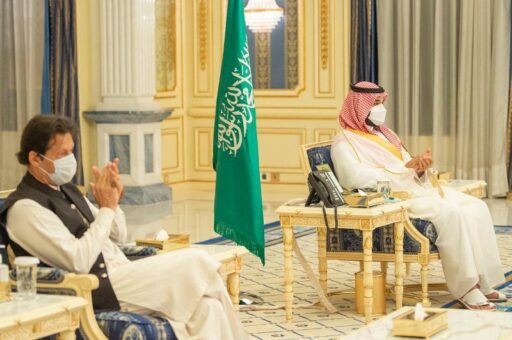
    The Saudi ambassador mentioned the camaraderie between the Saudi Crown Prince Mohammed Bin Salman and Prime Minister Imran Khan and expressed confidence that the relationship would strengthen in the future.

    In three years, the six visits of PM Imran Khan to the Kingdom reflect the level of relationship, he added.

    The Saudi envoy said Pakistani people loved the Kingdom of Saudi Arabia from the core of their hearts and held in high esteem the Custodian of the holy mosques.

  • Pakistan pavilion to be set at China expo

    Pakistan pavilion to be set at China expo

    BEIJING: An online pavilion of Pakistan will be established at 4th China International Import Expo (CIIE), which will be held offline and online in Shanghai from November 5 to 10 this year.

    Pakistan Ambassador to China, Moin ul Haque will lead the Pakistani delegation at the opening ceremony of the Expo.

    A number of Pakistani exhibitors, who are already in China, have geared up their preparations to participate in the upcoming expo.

    They will set up stalls to showcase popular household gadgets from Pakistan to the Chinese market, Pakistan Counsel General, Shanghai, Hussain Haider told state new agency.

    This year, the traders and businessmen from Pakistan are not coming to China owing to travelling restrictions and quarantine in wake of Covid-19 pandemic, he added.

    A few Pakistani enterprises specialized in jewellery design, furniture and artistic handicrafts will attend this year’s expo. Among all the exhibits, stunning gems and jewellery from Pakistan is likely to become a big hit with the Chinese buyers.

    More than 200 exhibitors and over 500 purchasers will be participating in the expo this year. As the first dedicated import exhibition globally, the CIIE has yielded fruitful outcomes from the past three expos.

    Shu Jueting, spokesperson of China’s Ministry of Commerce, said the exhibition area exceeded 360,000 square meters, and the number of signed exhibitors exceeded that of the previous year, adding that over 80 percent of the Fortune 500 and industry-leading companies from last year’s CIIE will participate again in this year’s event.

    According to the customs, more than 200 batches of exhibits are expected to enter the country by sea, air and rail in the coming month.

    Gu Honghui, deputy secretary-general of the Shanghai municipal government, said efforts will be made to ensure the COVID-19 prevention and control is more precise, urban service more refined, and the spillover effect of the CIIE brand more prominent during the expo.

  • Pakistan eyes eight million annual automobile production

    Pakistan eyes eight million annual automobile production

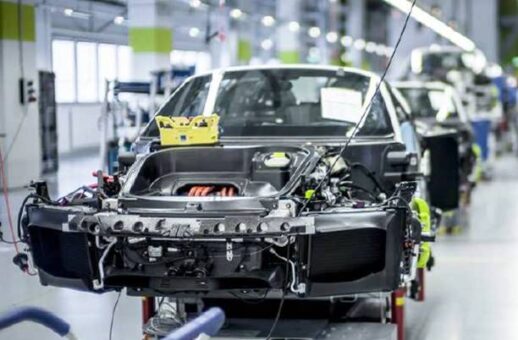
    BEIJING: Moin ul Haque, Pakistan Ambassador to China, on Wednesday said that Pakistan is planning to enhance automobile annual production from 0.25 million to eight million units during next five years.

    “It is a bit ambitious target but it is possible to achieve this target due to the yearly growth in production as well as interest showed by different automobile companies from across the world especially from China which plans to invest in Pakistan,” he said while addressing Pakistan Automobile Industry Roundtable Seminar held at Pakistan Embassy, Beijing.

    The representatives of over 50 renowned automobile companies from different parts of China attended the seminar.

    While addressing the participants, the ambassador said that a number of the Chinese companies are already in Pakistan in automobile manufacturing sector while up to 10 new companies have showed interest to invest in Pakistan and are in the process of having joint ventures with their local partners in the private sector.

    He informed that the government is formulating a new and very attractive automobile sector policy which will be announced soon, adding, more incentives and concessions in taxes are likely to be offered in the new policy.

    Ambassador Haque said that automobile companies including manufacturers of energy vehicles from China will be invited to set up their plants both in the Greenfield and Brownfield sectors.

    Giving details about the automobile sector in Pakistan, he said that the automobile is the fastest growing sector in Pakistan because of the large demand in view of the population which is close to 220 million people.

    In the past, the Japanese manufacturers had set up their production units but in the recent times the Chinese automobile companies also started looking at the opportunities available in Pakistan.

    He said that China is now becoming one of the leaders of automobile manufacturer in the world with very high quality products and expressed the pleasures that the Chinese companies have also entered to the Pakistani automobile market.

    While sharing the opportunities under the China Pakistan Economic Corridor (CPEC), he said that the flagship project of the Belt and Road Initiative (BRI) has entered into the second phase which is focusing industrialization, science and technology and agriculture sectors.

    “We are setting up special economic zones where we are inviting the Chinese investors to come and set up their manufacturing units,”he added.

    Ambassador Haque said that special incentives and policies have been announced for the Chinese companies and so far close to 100 Chinese companies have already established are in the process of establishing their units in the special zones.

    He said that the infrastructure like roads, highways and communication network is being upgraded in Pakistan and invited the Chinese companies to take advantage of all these incentives and expand their presence.

    Welcoming the representatives of the automobile companies, Commercial Counselor, Badar uz Zaman said that the new automobile policy for years 2021 to 2026 will soon be announced offering more incentives and benefits to local and foreign investors.

    He informed that under the current automobile a number of new companies particularly Chinese manufacturers entered in Pakistani market.

    Badar said that a number of Chinese companies are already setting up their businesses in Pakistan while some new companies are keen to invest in Pakistan owing to investment friendly policies offered by the present government.

    He informed the companies that government has formulated rules and regulations which support the foreign investment in Pakistan.

    Badar also shared details of the incentives, concessions in the taxation and easy repatriation of profits.

    “Many local companies listed with the stock exchange are very keen and are looking forward to the Chinese partners for the joint ventures,” he added.

    He said that there are over 600 auto parts manufacturers who are also supplying the parts to the existing players, adding, “We offer very comprehensive auto financing policies and the banks are very active.

    And the amount that has been financed in cars is three times more than the housing finance in Pakistan.”

    The commercial counsellor also shared with the companies details of concessions on taxes, duties and particularly cheap labour.

    He said that in the current global scenario when there is a supply chain shock, and it is difficult to move things from one place to another place, it is right time for the Chinese investors to take advantage of Pakistan location, low wages and other benefits.

    Later, representatives of the companies who are already operating in Pakistan shared their experiences and put forward some useful proposals.

    Some new companies which plan to enter into Pakistani automobile industry asked questions and more details about the policies.

    The representatives of Anhui Jianghuai Automobile Group, Beijing Henrey Auto, Hozon New Energy Automobile, BAIC Intl, Great Wall Motor Company, Beijing Sanxing Automobile, Foton Motor Group, Tianjin Tianqi Group Meiya Automobile, Zhongtong Bus Holding Co., Youtong Bus, Dongfeng Motor Company, Jiangxi Jiangling Motor, Xiamen Golden Dragon Bus Co., Liaoning Aerospace Automobile Co., Wolkswagen Group, Geely Automobile International Corporation and others attended the seminar.

  • Pakistan assures World Bank of reforming power sector

    Pakistan assures World Bank of reforming power sector

    ISLAMABAD: Pakistan on Thursday assured the World Bank of taking measures to reform the power sector in the country with special focus on reducing circular debt.

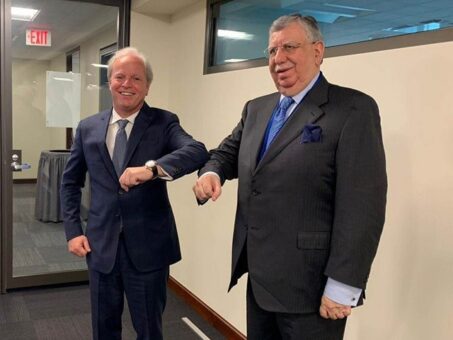
    Federal Minister for Finance and Revenue Shaukat Tarin held a meeting today with Axel van Trotsenburg, Managing Director World Bank and the Bank’s Pakistan team at the World Bank Headquarters in Washington DC.

    Dr. Asad Majeed Khan, Ambassador, Dr. Murtaza Syed, Deputy Governor SBP and Mr. Naveed Kamran Baloch, Alternate Executive Director, World Bank were also present.

    Omar Ayub Khan, Federal Minister for Economic Affairs and Mohammad Hammad Azhar, Federal Minister for Energy joined the meeting virtually from Islamabad, says a press release received here from Washington DC.

    The finance minister appreciated the Bank’s support to Pakistan over the decades and acknowledged the continuing support being extended to Pakistan.

    He highlighted the measures taken by the Government to accelerate completion of projects funded by the Bank which were in the pipeline, with special focus on agriculture, housing and construction sectors.

    The finance minister assured that the Government was also keen to reform the power sector in the country with special focus on reducing circular debt.

    The finance minister reiterated that the government is fully committed to implementing structural reforms, protecting social spending and boosting social safety nets in order to protect the vulnerable segments of the society.

    Minister for Energy Hamad Azhar shared the measures being taken by the Government to reform the power sector and rationalize power sector subsidies.

    MD Axel van Trotsenburg informed the delegation on the importance that the Bank places on cooperation with Pakistan and said that the Bank was looking forward to continuing the bilateral cooperation in the future.

    He said that the Bank was partnering with Pakistan in implementing one of the largest programme by the Bank for Pakistan and acknowledged that a lot of progress has been made on implementation of structural reforms in various sectors.

    MD Axel van Trotsenburg also conveyed gratitude and appreciation for the Government’s assistance in the timely and efficient transiting of the Bank’s staff from Kabul.

  • Turkey eases COVID restriction for Pak travelers

    Turkey eases COVID restriction for Pak travelers

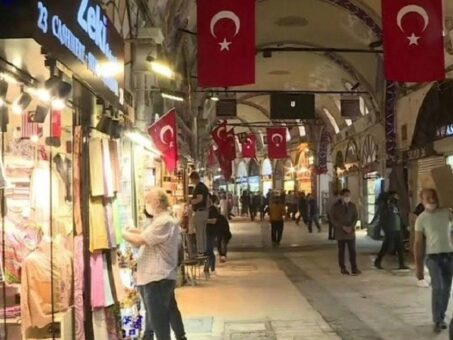
    ISLAMABAD: Turkish Government has further eased quarantine regulations for Pakistani nationals intending to travel to Turkey.

    Announced on September 2, these regulations will become effective from September 4, says a press release received here on Friday Ankara.

    Irrespective of vaccination status, all passengers will submit a negative PCR test result that should be made at most 72 hours before their entry into Turkey.

    As per the new regulations, passengers arriving from Pakistan who will have documentary proof of COVID-19 vaccination will be exempted from quarantine.

    Such vaccination should be of two doses approved by the World Health Organization (except for Johnson & Johnson which is a single dose).

    Quarantine exemption will be applied to those vaccinated whose last dose was administered at least 14 days before their travel.

    Pakistani travelers who cannot provide proof of vaccination will be quarantined in their residences or addresses that they will declare, tourists will quarantine at their booked hotels.

    They will be PCR tested on the 10th day of the quarantine period and in case of a negative result, the quarantine application will be terminated.

    The persons who do not take a PCR test on the 10th day will be kept under quarantine for 14 days. In case the test results are positive, the case will be dealt with as per the guidelines of the Turkish Ministry of Health.

    Before the Turkish Government announced these revised regulations, the Pakistan Embassy was in constant touch with the relevant Turkish authorities, sharing the status of vaccination and measures in place in Pakistan for controlling the spread of COVID-19 infections.

    The Pakistan Missions in Turkey are available to assist our nationals to the best of our abilities. An English translation of the complete notification of the Ministry of Interior of the Turkish Republic is attached for reference.

  • Textile exporters urge allowing cotton import from India

    Textile exporters urge allowing cotton import from India

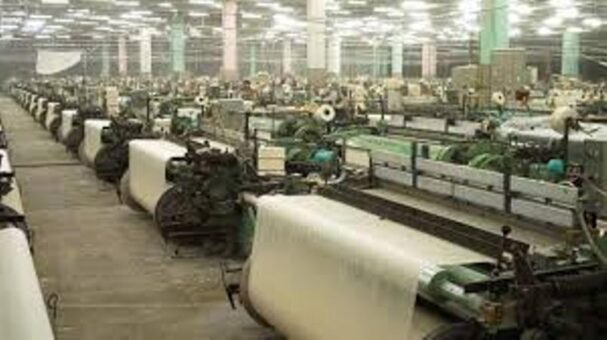
    KARACHI: Textile exporters have urged the government to allow import of cotton and cotton yarn from India and other countries through land routes.

    (more…)