Category: National

  • President Alvi orders two banks to pay victims of fraud

    President Alvi orders two banks to pay victims of fraud

    ISLAMABAD: Pakistan President Dr. Arif Alvi has ordered two banks i.e. Al Baraka Bank Ltd (ABBL) and Habib Bank Ltd (HBL) to pay their customers in order to provide relief in fraud cases.

    President Dr Arif Alvi has upheld two different decisions of the Banking Mohtasib (BM) ordering Al Baraka Bank Ltd (ABBL) and Habib Bank Ltd (HBL) to pay Rs9.145 million to Mrs. Zahida Naseem and Rs 5 million to Mushtaq Ahmed Bajwa, respectively, who had been swindled out of their money by the management of the banks.

    The President rejected the appeals of both the banks against the decisions of the Banking Mohtasib.

    He regretted that the victims of fraud, including an Overseas Pakistani, suffered a lot at the hands of the banks’ management and no relief was provided to them.

    He urged the public to avail the services of the Banking Mohtasib to seek relief in fraud cases as well as against the maladministration of bank officials/officers.

    According to details of both the cases, Mrs Zahida Naseem (complainant) opened her PKR Account on 03-03-2017 and British Pound Sterling on 28-03-2017 with Al Baraka Bank, at DHA Branch, Lahore. She applied for Term Deposit for an amount of Rs 10.7 million for one year after signing her cheque and TDR Application Form.

    The then Branch Manager, Omer Ikram, provided her fake and fabricated Account Statement and TDR Certificates on bank’s Letter Head.

    However, in July, she came to know that the given account statement and TDR certificates were fake and fabricated.

    The Bank Manger had fraudulently used her cheque and requested for Real Time Gross Settlement instead of TDR. It was later revealed that Ikram had allegedly committed fraud of huge amount of Rs 125 million and was an expert in making and providing tampered and fake bank statements to his clients.

    This was admitted by the bank which had cancelled the policies of clients and had refunded money to respective accounts in different cases. In this case, an amount of Rs 9 million was transferred to the bank account of Mr Ikram’s personal driver.

    Mrs. Naseem requested ABBL to credit the lost funds to her account but without any result. Subsequently, she approached the Banking Mohtasib for the redressal of her grievance.

    In a similar case, Mushtaq Ahmed Bajwa (complainant), an Overseas Pakistani living in Holland, was maintaining a PLS Saving Account with Habib Bank Ltd’s branch in Faisalabad.

    He handed over cash of Rs 5 million to the then branch manager, Akhtar Hussain, on 14-04-2017.

    Hussain filled in the deposit slip, and after signing and stamping it, handed over the counterfoil to the complainant. Later on, his brother informed him in Holland that an internal fraud had been perpetrated and funds deposited by several depositors had been embezzled by the ex-Branch Manager.

    The manager had deceitfully mentioned some imaginary cheque numbers on his deposit slip instead of cash amount personally handed over to him.

    Further, the bank lodged an FIR with FIA Faisalabad against the main accused and his accomplices. The bank did not pay Bajwa his claim despite acknowledging his complaint, after which, the complainant approached the Banking Mohtasib to seek justice.

    The Banking Mohtasib investigated both the cases and, after perusal of facts, ordered that the complainants may be refunded their lost money by the respective banks.

    Wafaqi Mohtasib held that the complainants had entrusted their hard earned money to the concerned banks and it was fiduciary duty of the banks to protect their customers.

    It noted that the appointment of vigilant bank officials, honest and professional staff was the responsibility of the bank and not of the complainants.

    The Ombudsman noted that the bank officials had been duly posted by the management of the banks and they were performing the employer’s business, when the complainants had suffered financial losses due to the unethical and fraudulent activities of the authorized bank officers.

    The bank cannot escape the liability in such cases when the commission of fraud with the accountholder by its management is established and admitted, the BM held.

    The Mohtasib ordered that both the banks were responsible to make good the loss of the complainants without further delay. Subsequently, the banks filed separate appeals against the decisions of the BM.

    President Dr Arif Alvi upheld both the decisions of the Mohtasib on the grounds that banks were given ample opportunity by the Mohtasib to defend and controvert the claims of the complainants, however, banks had failed to discharge the burden and statutory liability cast upon them under the law.

    “No justification has been made to upset the order of the learned Banking Mohtasib”, the President wrote while rejecting the representations of the banks.

  • Inflation of essential items rises by 17.37% YoY

    Inflation of essential items rises by 17.37% YoY

    ISLAMABAD: The inflation based on Sensitive Price Indicator (SPI) has recorded 17.37 per cent increase Year on Year (YoY) by week ended November 11, 2021, said Pakistan Bureau of Statistics (PBS) on Friday.

    The SPI is computed on weekly basis to assess the price movements of essential commodities at shorter interval of time so as to review the price situation in the country.

    SPI comprises of 51 essential items collected from 50 markets in 17 cities of the country.

    Analysts said that the SPI inflation is 37-week high level.

    The year on year trend depicts increase of 17.37 per cent, LPG (74.70 per cent), Electricity for Q1 (75.32 per cent), LPG (74.82 per cent), Mustard Oil (54.71 per cent), Vegetable Ghee 1 Kg (53.29 per cent), Cooking Oil 5 litre (49.24 per cent), Vegetable Ghee 2.5 Kg (48.27 per cent), Petrol (41.94 per cent) and Diesel (37.78 per cent)

    The major item that witnessed decrease in prices YoY basis are included: decrease observed in the prices of Onions (40.40 per cent), Pulse Moong (30.50 per cent), Potatoes (19.64 per cent), Sugar (2.22 per cent) and Pulse Mash (1.50 per cent).

    The SPI for the current week ended on November 11, 2021 recorded an increase of 1.81 per cent over the previous week. Increase in the prices of Tomatoes (18.70 per cent), Diesel (6.04 per cent), Petrol (5.78 per cent), Cooking Oil 5 litre (4.27 per cent), Vegetable Ghee 2.5 kg (3.37 per cent), Vegetable Ghee 1kg (3.28 per cent), Banana (3.04 per cent), Bread (2.84 per cent), Electricity for Q1 (2.74 per cent), Eggs (1.82 per cent),  Potatoes (1.77 per cent), Washing Soap (1.58 per cent), Onions (1.51 per cent), Energy Saver (1.30 per cent) and Mustard Oil (1.21 per cent) was observed with joint impact of (1.61 per cent) into the overall SPI for combined group of (1.81 per cent).

    On the other hand, decrease observed in the prices of Sugar (9.35 per cent), Pulse Mash (0.45 per cent), Pulse Moong (0.42 per cent), Pulse Gram (0.29 per cent), Wheat Flour Bag (0.26 per cent) and Garlic (0.04 per cent).

    During the week, out of 51 items, prices of 30 (58.82 per cent) items increased 06 (11.76 per cent) items decreased and 15 (29.42 per cent) items remained stable.

    The analysts said that looking at the trend of SPI inflation, the headline inflation based on Consumer Price Index (CPI) likely to enter double digit in November 2021. The average inflation for the current fiscal year could be in double digit as well, they added.

  • Petrol tax rate cut by 73% to lower global oil price impact

    Petrol tax rate cut by 73% to lower global oil price impact

    ISLAMABAD: The federal government has announced a reduction of 73 per cent in sales tax rate on supply of petrol in order lower the impact of high global oil prices.

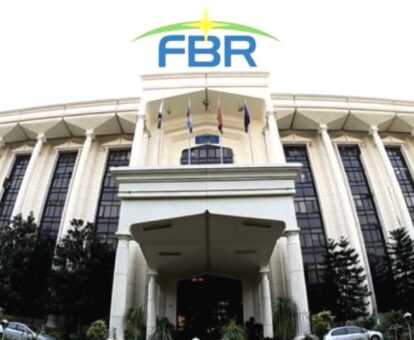
    In this regard the Federal Board of Revenue (FBR) issued a notification i.e. SRO 1450(I)/2021 to reduce the sales tax rate on petrol and High Speed Diesel (HSD).

    According to the notification the rate of sales tax has been reduced to 1.43 per cent from the rate of 6.84 per cent. The FBR issued previous notification SRO 1327(I)/2021 on October 7, 2021.

    The revenue body also reduced the rate of sales tax on High Speed Diesel (HSD) to 6.75 per cent from 10.32 per cent.

    However, the sales tax rates on kerosene and Light Diesel Oil (LDO) have been kept unchanged at 6.70 per cent and 0.20 per cent, respectively.

    It is worth mentioning here that the normal rate of sales tax is 17 per cent. The present government has already reduced the rate of sales tax on petroleum products to the lowest level to minimize the impact of sharp rise in global oil prices.

    The government on November 04, 2021 notified increased in petroleum prices, which are now all time high.

    The petrol was fixed at Rs145.82 per litre instead of Rs137.79, showing an increase of Rs8.03. The price has been increased from previous high of Rs137.79.

    Similarly, the price of high speed diesel has been increased by Rs8.14 to Rs142.62 from Rs134.48.

    The rate of kerosene oil has been increased by 6.27 per liter to Rs116.53 from Rs110.26. Likewise, the price of light diesel oil has been increased by Rs5.72 per liter to Rs114.07 from Rs108.35.

    A notification issued by the Finance Division stated that on November 01, 2021, the prime minister had not agreed with the proposals worked out by the Oil and Gas Regulatory Authority (OGRA) and the finance division directed to maintain the prices as notified on October 16, 2021.

    It is pertinent to mention that maintaining the October 16, 2021 petroleum prices had some underlying concerns for cash flow issues due to short recovery of the cost, according to the statement.

    It is important to note that in the previous petroleum prices, already a significant relief was provided to the consumers. The government is cognizant of its responsibility to provide maximum relief to the consumers.

    “This has dented the petroleum levy budget of Rs152.5 billion during July – September, 2021 as compared to Rs20 billion realized only,” it said.

    Foregoing in view, prices of petroleum products have been increased partially as compared to the prices being worked out by the OGRA. If the government had accepted OGRA’s recommendations, the new prices would have been much higher.

    Infact, the government has absorbed the bulk of the pressure after making adjustment after making adjustment in the sales tax and petroleum levy. The collection of petroleum levy is far short of its fixed target for the first quarter of the fiscal year 2021/2022, it added.

  • Inflation is core issue in Pakistan: PM Imran

    Inflation is core issue in Pakistan: PM Imran

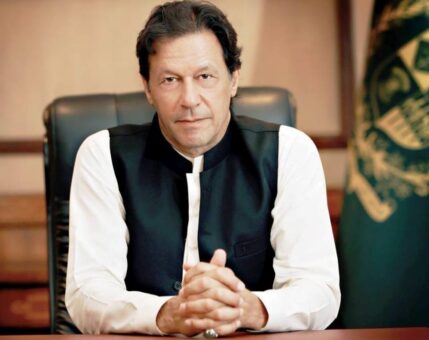
    ISLAMABAD: Prime Minister Imran Khan on Monday said that currently inflation is the core issue in Pakistan. The prime minister said that due to recent inflationary trend in international commodity market, inflation is the core issue in Pakistan currently.

    “We are working hard to ensure effective monitoring of prices of essential commodities through good governance and better price control mechanism.”

    Ensuring a proper control on supply chain, effective price enforcement and a strict check on hoarding are being made more effective for this purpose, he added.

    The prime minister directed the authorities concerned to take all necessary measures to provide maximum relief to common man by making the Market Committees at district and tehsil levels more effective.

    Earlier the Prime Minister was apprised that a successful pilot project was launched in Rawalpindi/Islamabad by PTIs Good Governance Team which resulted in substantial drop in prices of essential commodities by ensuring strict enforcement of Government notified rates.

    The prime minister was also informed that stay orders secured by the ineffective market committees need to be vacated at the earliest to reconstitute robust price monitoring mechanism at district and tehsil levels.

    The meeting was attended by Advisor on Finance Shaukat Fayyaz Tarin, Senator Saifullah Niazi and other officers concerned.

  • USC automation to ease provision of targeted subsidy

    USC automation to ease provision of targeted subsidy

    ISLAMABAD: The automaton of Utility Stores Corporation (USC) will help the government provide targeted subsidy to beneficiaries under Ehsaas Program.

    Federal Minister for Industries and Production Makhdum Khusro Bakhtyar presided over the meeting on the progress of digitalization and automation program of Utility Store Corporation under the Digital Pakistan Initiative.

    The meeting was attended by Secretary Industries and Production, MD USC, senior officials of the Ministry and representative of PTCL & NRTC.

    MD USC briefed the Chair on digitalization program of corporation: encompassing it’s business process under ERP (enterprise resource planning); including supply chain, warehousing, financials, deployment of POS, human resources, and targeted subsidy which will be consummated by end this month.

    He also informed the Minister that USC had completed the automation of utility stores in Islamabad region, shifting 20% of total sales on automation which would be inaugurated in next week.

    While reviewing the progress of USC’s digitalization, the Minister highlighted that the government would provide targeted subsidies at the Utility Stores for the Prime Minister Ehsaas program beneficiaries by linking their Ehsaas Cards/national identity cards with the sale points while making these stores a targeted subsidy tool.

    The Minister appreciated the team of USC and remarked that this project would be the largest digitalization program of any public sector oriented company.

    He informed that upon completion, Prime Minister of Pakistan would inaugurate the automation program of USC, as Digital Pakistan’s vision has been very close to his heart.

    The Minister also lauded the ongoing cooperation of PTCL and NRTC to work hand-in-hand with USC to carry out the automation program.

  • Consumer confidence declines sharply on high inflation

    Consumer confidence declines sharply on high inflation

    KARACHI: The Consumer Confidence Index (CCI) has declined sharply to 70.8 points in the third quarter of 2021, compared to 88.0 points in the second quarter of 2021, translating into 19.6 per cent decrease.

    (more…)
  • Pakistan to emerge as food surplus country: PM Imran

    Pakistan to emerge as food surplus country: PM Imran

    ISLAMABAD: Prime Minister Imran Khan has said that Pakistan will emerge from a food deficit to a food surplus country.

    The prime minister on Sunday said that the prices of oil, gas and edible oil were not in the government’s control. “However the owing to the record crops this year, Pakistan would emerge from a food deficit to a food surplus country.”

    He said that Pakistan had comparatively managed “much better” than other countries amidst unprecedented price hike of commodities caused by the COVID lockdown.

    In a Tweet, the prime minister said that an unprecedented rise in commodity prices internationally had adversely affected most countries in the world as a result of the COVID lockdowns.

    However, he said, “Pakistan MashaAllah has fared relatively much better.”

    Quoting the data of Food and Agriculture Organization, he said from September to October this year, food prices increased by 1.9 per cent, World Cereal Index by 3.2 per cent, edible oil prices by 9.6 per cent, and dairy products by 2.6 per cent.

    However, he said despite the worldwide inflation trend, Pakistan’s exports recorded an increase of 17 per cent in October and are likely to touch $30 billion mark this year. Textile exports are expected to reach $22 billion this year.

    He said consequent to the government’s timely measures, the non-oil imports of the country reduced by 12.5 per cent last month making a difference of $750 million.

    He said due to increasing income, tax collection also surged with 32 per cent increase in four months making the government to receive additional Rs 151 billion compared to last year.

    He said according to the latest data, country’s cotton crop increased by 81 per cent during the last four months. In August, the industry recorded a growth of over 12 per cent and companies’ profits by 21 per cent.

    “All this shows that the country’s economy is heading fast and employment would be required in the coming days,” the spokesperson commented.

    Addressing a question about any relief for the middle class in PM’s recently announced Rs 120 billion relief package, he said the government had already announced a concession of Rs5-7 on every electricity unit to be consumed more than the previous year’s consumption during November to February.

    Moreover, he said the sugar prices would fall in the near future owing to record sugarcane crop.

    “All these things will appear on the ground in coming days,” he remarked.

  • Wheat support price increases to Rs1,950/40kg

    Wheat support price increases to Rs1,950/40kg

    ISLAMABAD: The federal government has increased the minimum support price for wheat to Rs1,950 per 40 kilograms from Rs1,800/40kg.

    A statement issued on Saturday said that to achieve self-sufficiency in wheat, the government has decided to increase the minimum support price for wheat to Rs 1,950/40 kg compared to Rs. 1,800/40 kg last year.

    The government believes that increase in support price will incentivise farmers to grow sufficient wheat to meet the national production target of 28.90 million metric tons.

    It is also hoped that availability of irrigation water and weather conditions will be conducive during rabi season to achieve this target.

    Due to much higher international prices of DAP fertilizer and shipping cost, the domestic price (Rs. 7,300/bag) has also increased significantly. But thankfully, the price of urea (Rs. 1,850/bag) is stable and significantly lower than the international price (Rs. 5,400/bag) because government provide Rs. 126 billion annual subsidy for natural gas.

    The government is working closely with the fertilizer companies to ensure adequate availability of both key fertilizers during this rabi season.

    Moreover, the government has provided over Rs. 16 billion for fertilizer, seed, pesticide, agricultural loan markup subsidies. These timely initiatives have helped generate record production of many commodities.

    “Our hardworking farmers have produced record crops this year. Pakistan has achieved the highest ever production of wheat (27.5 million mt), rice (8.4 million mt), maize (8.5 million mt), mung beans (0.275 million mt), onion (2.3 million mt), and potato (5.7 million mt). And sugarcane achieved the second-highest production (81 million mt).”

    In 2021-22 … Sugarcane production is estimated at 87.67 million tons; 8 per cent higher than that of last year. Rice production is estimated at 8.84 million tons which is 5 per cent higher than that of last year. Maize production is estimated at 9.0 million tons which is 8.5 per cent higher than that of last year. Cotton production as of November 01, 2021 is 6.2 million bales compared to 3.4 million bales (82 per cent higher) at the same date last year.

  • PM directs pursuing legal cases against sugar mills

    PM directs pursuing legal cases against sugar mills

    ATTOCK: Prime Minister Imran Khan on Friday directed the law minister to pursue the cases against sugar mills on urgent basis for the benefit of general public and for addressing price hike of the commodity.

    To address the ongoing sugar crisis, Prime Minister Imran Khan on Friday directed the law minister to urgently get vacated various stay orders obtained by the sugar mill owners from courts against the government.

    Addressing a public gathering after the foundation-laying of a 200-bed mother and child hospital, the prime minister said closure of sugarcane crushing by three sugar mills in Sindh and the subsequent hoarding was the reason behind the current spike in sugar prices.

    The sugar price soared as wholesale rate touched Rs150 per kilogram in most parts of the country and retail rate up to Rs160kg.

    Imran Khan said the sugar mills had attained stay orders against the fine imposed by the Competition Commission of Pakistan.

    Also, the other stay order was against Federal Board of Revenue (FBR) in line with its action on tax evasion and the ‘off-the-books’ activity of sugar mills.

    On overall inflation, he said Pakistan was bearing the impact of global price hike of commodities, mainly due to shortage of supplies in the wake of pandemic.

    He said the sharp increase in global petroleum prices from $45 to $85 dollar greatly affected Pakistan as the country relied on imports of several items, including petrol, palm oil, and pulses.

    Despite such a situation, he said, Pakistan had the lowest rate of petroleum at Rs 146 per litre among importing countries compared with India at Rs 250 and Bangladesh at Rs 200 per litre.

    Imran Khan hoped that as the world businesses open up after decline in pandemic following the coming winters, things would improve.

    To reduce the financial impact on poor, he said the government had recently provided food subsidies to 130 million people across the country through Ehsaas programme.

    He mentioned that other socio-welfare initiatives such as Kamyab Pakistan would provide interest-free loans to two million households for house building, start-ups, and skills training. Also, the Kamyab Jawan is providing loans to youth across the country, he added.

    The prime minister said establishment of five mother and child hospitals in two years would ensure provision of health facilities to women on health issues related to gynecology and obstetrics.

    He said it was shameful that due to the apathy of previous governments, a rise in deaths of women during pregnancy was recorded in the wake of non-availability of medical facilities.

    He said by March, all households of Punjab would get health insurance of Rs 0.7 to one million for their medical treatment.

    He termed the health card a proper system where the private sector would also be encouraged to establish hospitals in rural areas so as to expand the network of healthcare facilities.

    Imran Khan said the priority of his government in its tenure was to uplift the people and provinces that lagged behind in development.

    On completion of five years, he said, his biggest success would be to bring a positive change in the lives of common man.

    He regretted that Pakistan in the past suffered the rule of two political families in 30 years that incurred a huge loss to national exchequer.

    The prime minister mentioned that under his government, the country for the first time was witnessing an era of long-term planning besides the boom in industrial growth, exports and historic foreign remittances.

    Chief Minister Punjab Usman Buzdar said the mother and child hospital in Attock would provide quality healthcare facilities to two million residents, particularly women, of the Attock district and in the suburbs.

    He said the Punjab government would complete the 200-bed hospital equipped with modern facilities in two years at a total cost of Rs 5.3 billion. The federal government has already released Rs 2.66 billion to Punjab for the project.

    He said establishment of 21 different universities in the province was also under consideration.

    Punjab Health Minister Dr Yasmin Rashid said the mother and child hospitals would help the women get timely medical advice and treatment.

    She said after 50 years, the second phase of Nishtar Hospital would be constructed in Multan to meet the medical needs of the growing population.

  • Petrol price increases to new high of Rs145.82 per liter

    Petrol price increases to new high of Rs145.82 per liter

    ISLAMABAD: The government on Thursday night announced an increase of Rs8.03 to Rs145.82 per liter in the price of petrol effective from November 05, 2021.

    The government announced increase in prices of all petroleum products.

    The price has been increased from previous high of Rs137.79.

    Similarly, the price of high speed diesel has been increased by Rs8.14 to Rs142.62 from Rs134.48.

    The rate of kerosene oil has been increased by 6.27 per liter to Rs116.53 from Rs110.26. Likewise, the price of light diesel oil has been increased by Rs5.72 per liter to Rs114.07 from Rs108.35.

    A notification issued by the Finance Division stated that on November 01, 2021, the prime minister had not agreed with the proposals worked out by the Oil and Gas Regulatory Authority (OGRA) and the finance division directed to maintain the prices as notified on October 16, 2021.

    It is pertinent to mention that maintaining the October 16, 2021 petroleum prices had some underlying concerns for cash flow issues due to short recovery of the cost, according to the statement.

    It is important to note that in the previous petroleum prices, already a significant relief was provided to the consumers. The government is cognizant of its responsibility to provide maximum relief to the consumers.

    “This has dented the petroleum levy budget of Rs152.5 billion during July – September, 2021 as compared to Rs20 billion realized only,” it said.

    Foregoing in view, prices of petroleum products have been increased partially as compared to the prices being worked out by the OGRA. If the government had accepted OGRA’s recommendations, the new prices would have been much higher.

    Infact, the government has absorbed the bulk of the pressure after making adjustment after making adjustment in the sales tax and petroleum levy. The collection of petroleum levy is far short of its fixed target for the first quarter of the fiscal year 2021/2022, it added.